 Save
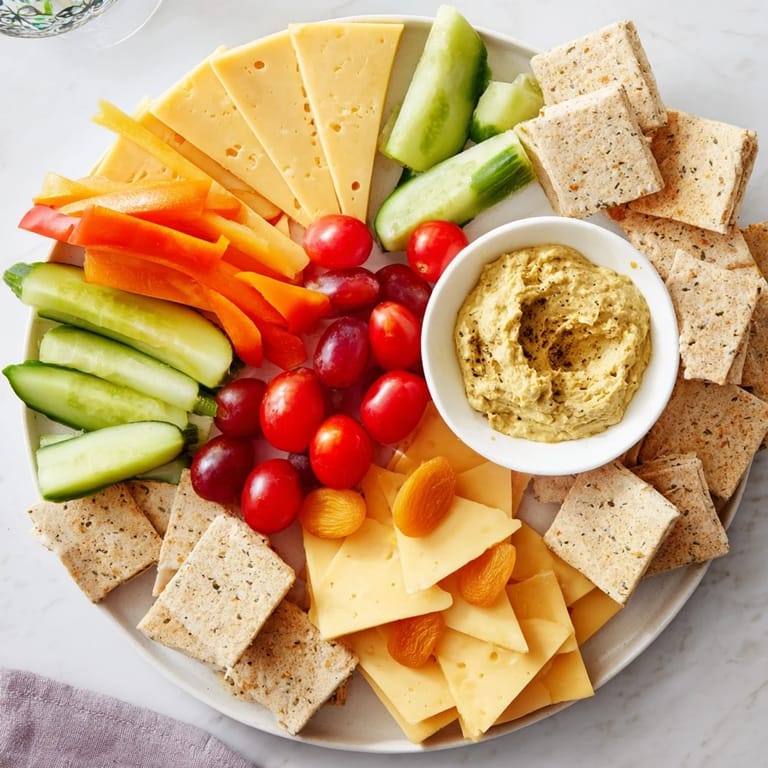
Save I discovered the magic of directional charcuterie boards at a dinner party where a friend had arranged everything pointing toward a central dip bowl, and I was mesmerized. There was something about the visual flow, the way your eye naturally traveled across the board following the angles, that made reaching for the next bite feel like part of the design itself. That evening, everyone gravitated toward the board not just for hunger, but because it felt alive somehow. Now whenever I create one, I'm transported back to that moment of realization that a charcuterie board could be more than just sustenance—it could be an experience.
I remember making this for my sister's birthday brunch, and her guests couldn't believe I'd arranged everything by hand. The compliments kept coming not just about the taste, but about how thoughtfully it was presented. That's when I understood: a board like this tells your guests you were thinking about them before they even arrived, that their experience mattered enough to be intentional.
Ingredients
- Aged cheddar, 100 g cut into triangles: The sharpness cuts through rich components and provides satisfying texture. Cut triangles work naturally with the directional theme and make for elegant single bites.
- Brie, 100 g sliced into wedges: The creamy centerpiece that melts on crackers. Wedges maintain their shape better than rounds and create natural directional lines.
- Gouda, 100 g cut into strips: Slightly sweet and nutty, strips echo the angled aesthetic and add visual interest with their golden tone.
- Prosciutto, 100 g folded: The delicate saltiness makes everything taste richer. Fold it loosely so it catches light and looks architectural on the board.
- Salami, 100 g sliced and folded: Smaller folded slices create a fuller appearance and cluster beautifully along directional lines without overwhelming other elements.
- Seedless grapes, 1 cup in small clusters: These provide bursts of sweetness and natural color. Keep them in small clusters rather than individual grapes so they maintain the directional flow.
- Cherry tomatoes, 1 cup halved: The acidity balances richness and the halves sit flat on the board, making them ideal for creating geometric patterns.
- Cucumber, 1 small sliced diagonally: The diagonal cut is already directional and adds refreshing crunch. The pale green complements jewel-toned elements.
- Red bell pepper, 1 small cut into strips: Vibrant color and natural sweetness. Strips naturally follow lines and add visual pop.
- Artisan crackers, 1 cup: Choose varied shapes and textures. Arrange them last so they don't get displaced as you build the board.
- Baguette, 1 small sliced on the bias: The bias cuts are already directional and toast beautifully if you want them warm. They're substantial enough to anchor sections.
- Marcona almonds, ½ cup: Their buttery, slightly sweet flavor complements everything. Use them as visual spacers between major components.
- Dried apricots, ¼ cup: The sweetness provides needed contrast to savory elements, and their warm color adds richness to the palette.
- Olives, ¼ cup: Use a good quality variety with interesting color. They're small enough to fill negative space while maintaining the directional theme.
- Herbed hummus or whipped feta dip, 100 ml in a small bowl: This is your visual anchor. The dip's position determines the entire board's flow, so choose the bowl shape and color carefully.
Tired of Takeout? 🥡
Get 10 meals you can make faster than delivery arrives. Seriously.
One email. No spam. Unsubscribe anytime.
Instructions
- Establish your arrow point:
- Place your dip bowl at one corner or end of the board where all components will visually aim. This becomes your focal point and the entire board's reason for existing. Step back and imagine invisible arrows pointing here from everywhere else.
- Create the cheese foundation:
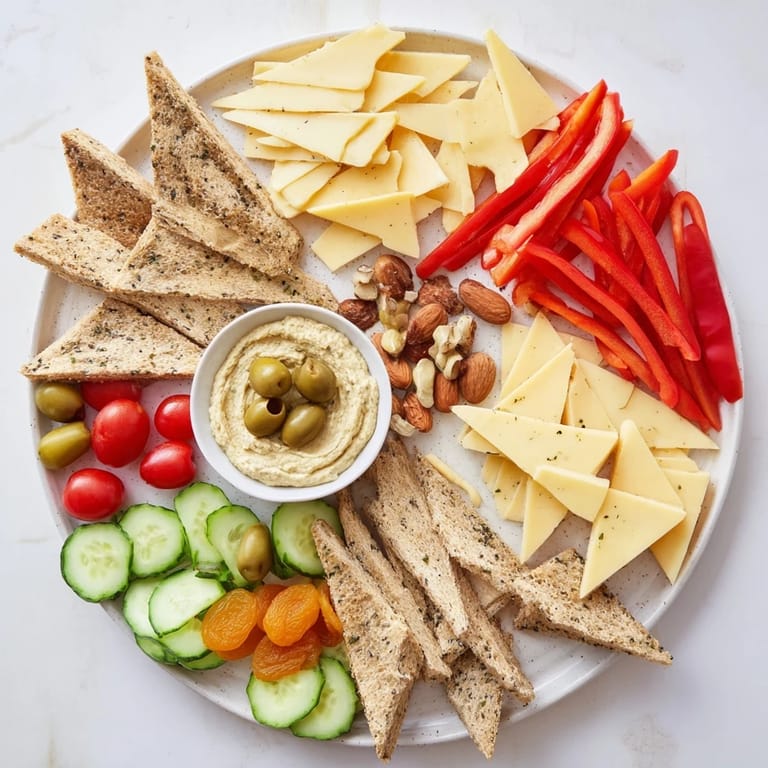
- Arrange your cheese wedges and triangles in a fan pattern with all pointed edges aimed at the dip bowl. Start with the largest pieces first, working from the far end of the board toward the center. Leave some breathing room between pieces so the board shows through—this keeps it elegant rather than crowded.
- Layer in the meats:
- If using prosciutto and salami, fold them loosely and position them in lines that echo the directional flow. Think of them as curved arrows pointing home to the dip. They should be visible and not buried under other components.
- Add vegetables and fruit with intention:
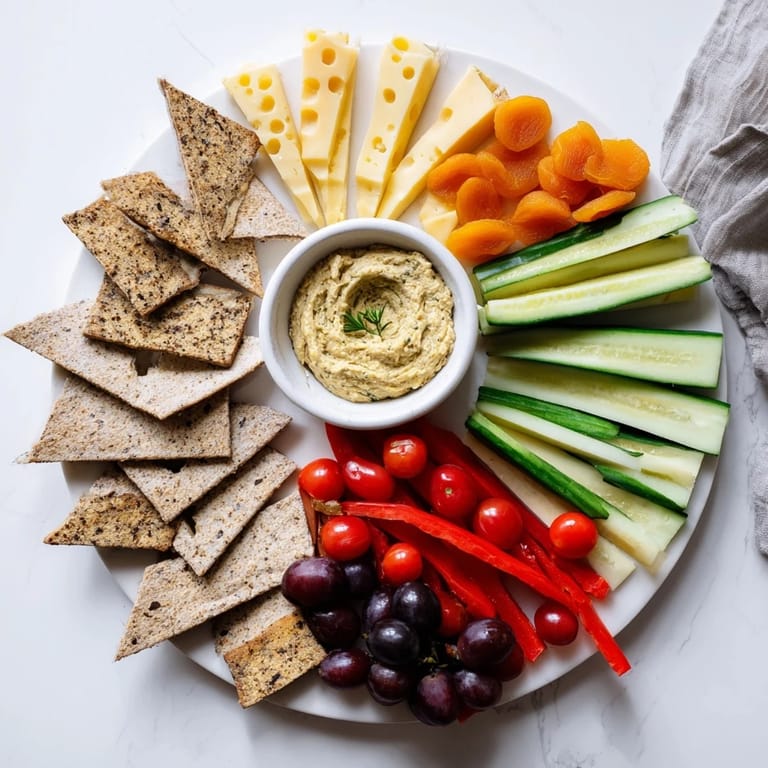
- Slice your cucumbers and peppers diagonally to reinforce the angled aesthetic. Arrange them in organized lines, almost like streams flowing toward the center. Keep grape clusters and tomato halves in small groupings rather than scattering them randomly.
- Position crackers and bread as guides:
- Lay crackers and bread slices in radiating lines, treating them as pathways that guide the eye toward the dip. Bias-cut baguette slices are especially effective for this. Arrange them while the board still feels somewhat spacious.
- Fill spaces strategically:
- Scatter nuts, dried apricots, and olives along the lines between major components. These become both visual spacers and flavor bridges. They should feel intentional, not random, so place them with purpose rather than dropping them haphazardly.
- Final balance and refinement:
- Step back and look at your board with fresh eyes. Check that the directional flow feels clear and that you haven't accidentally created dead zones. Fill any gaps that feel too empty, and don't be afraid to adjust. The magic happens when everything feels balanced yet dynamic, like the whole board is gently pointing toward that center dip.
 Save
Save I'll never forget watching my grandfather lean over a board I'd made, tracing the invisible arrows with his finger, smiling at the intentionality of it all. He said, 'You're not just making food, you're making an invitation.' That moment changed how I think about plating anything. This board became proof that presentation and care are their own kind of deliciousness.
Color and Contrast Matter More Than You Think
The first time I made this, I used only pale and neutral cheeses, and the board disappeared visually into itself. Now I deliberately include the vibrant reds of peppers and tomatoes, the jewel tones of grapes, and the golden warmth of apricots. These aren't just flavor considerations—they're design elements that make people want to photograph the board before eating it. The colors guide the eye just as much as the angles do, creating a complete experience rather than just an arrangement of food.
Temperature and Texture Transform the Experience
I learned this the hard way at a summer gathering: everything on a charcuterie board benefits from being slightly cold. Cold cheese has better texture, cold vegetables are crisper, and even the dip tastes better when it's cool and refreshing. Now I assemble the board 30 minutes before serving and keep it in a cool room or lightly covered in the refrigerator. The cold amplifies every flavor and makes each bite feel more intentional, more satisfying. It's a small detail that elevates the entire experience.
Mix Shapes, Sizes, and Textures for Visual Rhythm
The directional arrangement works best when you're playing with visual rhythm. Thin slices of salami next to chunky marcona almonds, smooth brie next to textured crackers, small grape clusters next to larger cheese wedges. This variation keeps the eye moving and creates interest at every stopping point. It's like a visual conversation—variety makes people want to linger and explore more.
- Vary your cutting angles: some items diagonally, some straight, some in wedges. This reinforces the directional theme without being monotonous.
- Balance soft and hard components so no single area of the board feels one-dimensional. Alternate creamy cheeses with crispy crackers along the flow.
- Use height strategically by stacking some items slightly or creating little towers with folded meats, so the board feels three-dimensional rather than flat.
 Save
Save Every time I make this board, I'm reminded that the most sophisticated entertaining often comes from a simple idea executed with care. You don't need complicated recipes or rare ingredients—you need intention and an eye for how things work together.
Recipe FAQs
- → How do I create the arrowhead effect in this board?
Position the dip bowl at one end as the focal point, then angle all elements—cheeses, meats, vegetables, and crackers—so they point toward it, creating a unified directional flow.
- → Can this board be adapted for vegetarians?
Yes, simply omit the meats and add more varieties of cheeses or fresh produce to maintain abundance and balance.
- → What types of dips work best with this arrangement?
Herbed hummus or whipped feta are great choices, but alternatives like beet hummus, tzatziki, or whipped ricotta also complement nicely.
- → How do I maintain visual interest in the board’s design?
Use contrasting colors and textures throughout—such as brightly colored vegetables, varied cheese shapes, and crunchy nuts—to create appealing layers and depth.
- → What are some recommended pairings for this snack board?
Light, crisp wines like Sauvignon Blanc or a delicate Pinot Noir enhance the flavors and refresh the palate alongside this spread.