 Save
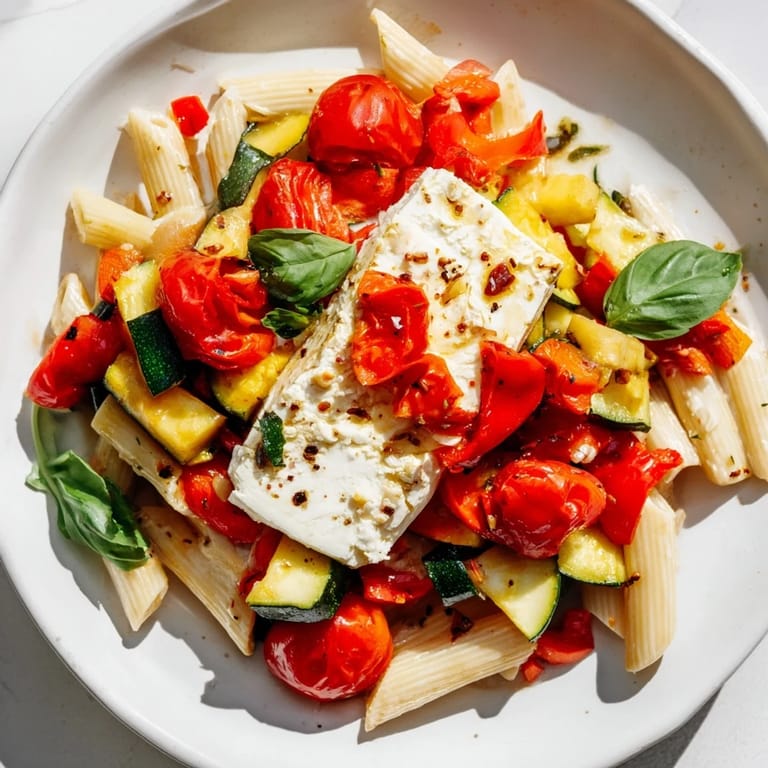
Save The first time I made this, I was scrolling through my phone at midnight, half-asleep, when a video of melting feta stopped me cold. Something about watching cheese transform into a creamy sauce felt like kitchen magic I had to try. I threw together whatever vegetables I had in the crisper drawer, tossed them with a block of feta, and twenty minutes later my kitchen smelled like summer. It became my go-to when I wanted something that felt special but didn't require much thinking.
I made this for my sister when she was going through one of those phases where she'd stopped eating much of anything. She sat at my kitchen counter and I let her watch the vegetables blister under the heat, then the moment I pulled out that golden block of feta and started mashing it into a sauce, something shifted in her expression. She ate two bowls without complaint, and we didn't talk about the heavy stuff for once—we just talked about how the pasta soaked up every bit of that creamy, tangy goodness.
Ingredients
- Reduced-fat feta cheese (200 g): A block works best because it holds together while roasting and creates that signature creamy sauce when mashed, unlike crumbled feta which breaks apart.
- Cherry tomatoes (400 g, halved): The smaller surface area caramelizes faster and their sweetness balances the feta's saltiness beautifully.
- Zucchini (1 medium, diced): It softens completely in the oven and soaks up all the olive oil and herb flavors, becoming almost buttery.
- Red bell pepper (1, diced): Adds brightness and a subtle sweetness that rounds out the whole dish.
- Red onion (1 small, sliced): It mellows as it roasts and adds a gentle sweetness that you wouldn't expect from raw onion.
- Garlic (2 cloves, minced): Add it after roasting so it stays fragrant and doesn't burn or turn bitter.
- Extra-virgin olive oil (2 tbsp): This is what creates the sauce base, so quality matters here.
- Dried oregano (1 tsp): Mediterranean herbs are essential to the flavor profile, but you could use dried thyme or marjoram if that's what you have.
- Crushed red pepper flakes (½ tsp, optional): A small pinch adds complexity without heat if you don't want spice.
- Salt and black pepper: Season generously because the feta will balance it out.
- Fresh basil leaves: Stir these in at the end for brightness that lifts the whole dish.
- Whole-grain pasta (300 g): The texture holds the sauce better than regular pasta, and the nuttiness complements the roasted vegetables.
Tired of Takeout? 🥡
Get 10 meals you can make faster than delivery arrives. Seriously.
One email. No spam. Unsubscribe anytime.
Instructions
- Get the oven ready:
- Preheat to 200°C (400°F) so it's properly hot when your vegetables go in. This temperature gives you caramelization without burning the feta.
- Build the vegetable base:
- Toss all your cut vegetables together with olive oil, oregano, red pepper flakes, salt, and pepper in a large baking dish. Make sure everything is coated evenly so it roasts at the same speed.
- Crown it with feta:
- Place the whole block of feta in the center, drizzle a tiny bit more oil on top, and slide the whole dish into the oven. You'll hear a gentle sizzle if the oven temperature is right.
- Roast until golden:
- After 25–30 minutes, the vegetables should be soft and charred at the edges, and the feta should look golden and slightly weeping. If the feta isn't soft enough, give it another few minutes.
- Start the pasta:
- While the vegetables roast, get your pasta water boiling in a large pot with plenty of salt. Cook the whole-grain pasta according to the package directions, then reserve about ½ cup of that starchy water before draining.
- Mash and combine:
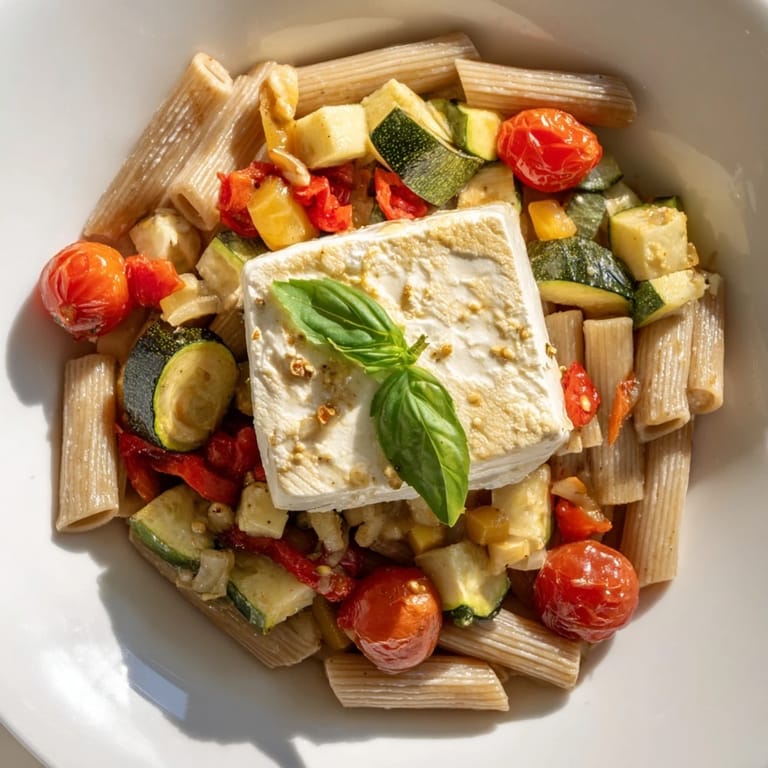
- Remove the baking dish from the oven. Add your minced garlic to the hot vegetables so it releases its aroma immediately. Gently mash the feta with a fork or spoon until it breaks down into the vegetables, creating a creamy, chunky sauce.
- Bring it together:
- Add the drained pasta directly to the baking dish along with a splash of reserved pasta water. Toss everything gently until the pasta is coated in the creamy feta-vegetable mixture. If it seems dry, add more pasta water a little at a time.
- Finish and serve:
- Tear fresh basil over everything and serve immediately while it's still warm and the flavors are melding together.
 Save
Save My neighbor came over one evening just as I was plating this, and she asked if she could sit at the counter while I ate. I don't think she expected much, but watching her watch me eat—fork going back again and again, that look of surprise when she realized pasta and cheese and roasted vegetables could be this uncomplicated and this good—made me realize this isn't just dinner, it's proof that sometimes the best meals are the ones nobody overthought.
Choosing Your Vegetables Wisely
The beauty of this recipe is that it adapts to what's in season and what you have on hand. Summer? Load it up with zucchini, eggplant, and sun-warmed tomatoes. Fall feels more like roasted cauliflower and mushrooms. I've even done it with just spinach wilted into the feta at the end, which changes the texture completely but still works. The key is thinking about how each vegetable behaves under heat—softer vegetables go in if you like them nearly melting into the sauce, firmer ones stay distinct.
Making It More Than a Vegetarian Dish
If you're cooking for people who need more protein or just want to make this heartier, a can of drained chickpeas stirred in before roasting adds substance without changing the character of the dish. I've also crumbled tempeh or pressed tofu around the feta, which gives you more texture and makes leftovers feel different the next day. The pasta already has some protein from the whole grains and the feta, but sometimes you want something that sticks with you longer.
Wine Pairing and Serving Ideas
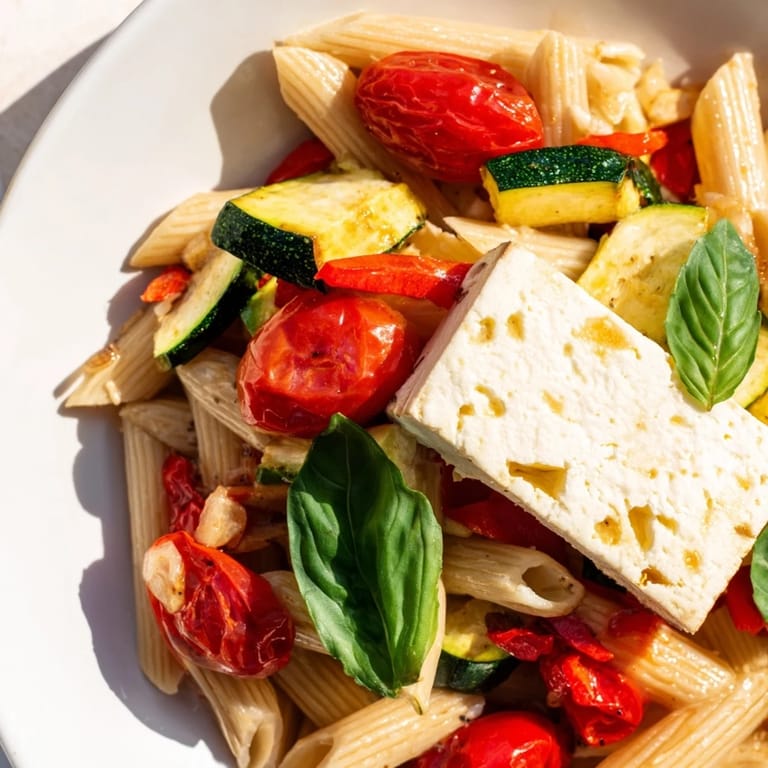
This dish sings with a crisp white wine—Sauvignon Blanc or Pinot Grigio are classic choices because their acidity cuts through the richness of the feta. If you don't drink wine, a cold sparkling water with lemon works just as well. I serve it family-style straight from the baking dish if I'm feeding people casually, or plate it individually if the dinner feels more intentional.
- A squeeze of fresh lemon juice right before eating brightens everything in a way that feels almost essential.
- Crumbled pistachios or toasted breadcrumbs scattered on top add a completely different texture layer if you're in the mood for crunch.
- This keeps well in the fridge for two days, though the pasta will absorb more sauce as it sits, which some people find even better.
 Save
Save Every time I make this, I remember that moment of discovering it and thinking how something so simple could feel so elegant. That's the gift of this recipe—it never feels like you're rushing, and it never feels like you're settling.
Recipe FAQs
- → Can I use different pasta types?
Yes, whole-grain penne or fusilli work best, but gluten-free varieties are an excellent substitute for dietary needs.
- → How do I ensure the feta becomes creamy?
Roasting the feta with the vegetables until soft and golden allows it to soften fully. Mashing gently with garlic before mixing creates a luscious sauce.
- → What vegetables can I add or swap?
Feel free to include spinach, eggplant, or asparagus based on season and preference for added variety and nutrition.
- → Is this dish suitable for vegetarians?
Absolutely, it contains dairy and vegetables with no meat ingredients, making it a hearty vegetarian option.
- → How can I add protein to this dish?
Stirring in canned, drained chickpeas before baking boosts the protein content while complementing the flavors well.
- → What wine pairs well with this dish?
A crisp white wine such as Sauvignon Blanc enhances the fresh and savory elements without overpowering them.