 Save
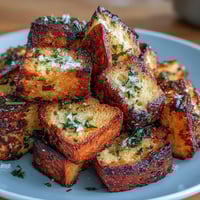
Save There's something almost magical about watching cottage cheese transform into something warm and chewy in a hot pan. I discovered these flatbreads on an ordinary Tuesday when I was rummaging through the fridge and spotted a container of cottage cheese that needed using. The yogurt was there too, so I thought, why not? What emerged was better than any store-bought flatbread I'd ever had—golden, tender, with just enough chew to make them perfect for wrapping around anything. Now I make them constantly, and they've become the bread I reach for when I want something that feels homemade but comes together in under thirty minutes.
I'll never forget the first time I made these for a dinner with friends who were unexpectedly coming over. I'd planned something elaborate, then realized I didn't have time, so I mixed this dough together while they were arriving. By the time everyone sat down, I had warm flatbreads on the table, and they disappeared so quickly I could barely keep up with the pan. One friend asked if I'd bought them from somewhere special, and I had to laugh—it was the easiest thing I'd done all week, yet it felt completely impressive.
Ingredients
- Plain flour (200 g): The base of your dough; you might need slightly more if your cottage cheese is particularly wet, so keep extra nearby for dusting and adjusting.
- Greek yogurt (120 g): This brings tang and moisture, and its thickness keeps the dough from becoming too slack—it's the secret to getting that perfect chewy texture.
- Cottage cheese (100 g): The star player that makes these flatbreads tender and somehow richer than they should be for such simple ingredients.
- Baking powder (1/2 tsp): Just enough to give the flatbreads a gentle lift and make them feel slightly airy without any yeasty complexity.
- Fine sea salt (1/2 tsp): Don't skip this; it awakens every flavor and keeps the dough from tasting bland or one-dimensional.
- Olive oil or melted butter (2 tbsp): For cooking; I prefer olive oil for a lighter result, but butter gives them an almost decadent golden finish.
Tired of Takeout? 🥡
Get 10 meals you can make faster than delivery arrives. Seriously.
One email. No spam. Unsubscribe anytime.
Instructions
- Combine your dry ingredients:
- In a large bowl, mix flour, baking powder, and salt together. This helps distribute the leavening evenly so every flatbread has that consistent, gentle lift.
- Bring the wet ingredients in:
- Add the Greek yogurt and cottage cheese to the dry mixture. Stir with a spoon or your hands until you see a shaggy, slightly lumpy dough—don't overmix, as you'll have plenty of time to develop it in the next step.
- Knead gently to smooth:
- Turn the dough onto a lightly floured surface and knead for just 2–3 minutes until it becomes smooth and manageable. If it feels sticky as you work, dust it with a little more flour, but be gentle; this dough wants to stay tender, not tough.
- Divide into portions:
- Cut the dough into 6 equal pieces and roll each one into a ball. This helps them cook evenly and is oddly satisfying, like portioning out little promises of warmth.
- Roll flat:
- Take each ball and flatten it on a floured surface with a rolling pin until you have a thin round about 5–6 mm (roughly 1/4 inch) thick. Don't worry if they're not perfectly circular; rustic looks homemade in the best way.
- Heat your cooking surface:
- Place a nonstick skillet or cast iron pan over medium heat and let it warm through. You want it hot enough that a drop of water sizzles immediately but not so hot that the flatbreads brown before they cook through.
- Oil the pan lightly:
- Brush the surface with olive oil or melted butter—just enough so the flatbreads won't stick but won't cook in a pool of grease.
- Cook to golden:
- Working with one or two flatbreads at a time, place them in the pan and cook for 2–3 minutes per side until you see golden brown spots and the dough is cooked through. Listen for that gentle sizzle; it's the sound of magic happening.
- Keep them warm:
- As each batch finishes, transfer the flatbreads to a plate and cover them loosely with a clean kitchen towel. This keeps them soft and warm while you finish the remaining dough.
 Save
Save I remember standing at the stove late one evening, making these flatbreads for myself after a long day, with no one to cook for but the house was quiet. I ate the first one still warm with just a smear of butter and some coarse salt, standing at the counter, and it felt like the most comforting moment—proof that simple things, made with intention, can feel luxurious.
Flavor Variations That Work
The beauty of these flatbreads is how blank-canvas they are. I've mixed chopped fresh herbs—parsley, chives, dill—directly into the dough, which tints it pale green and adds a garden-fresh brightness. Minced garlic folded in at the last moment turns them into something you'd serve with soup or stew. Once I added cracked black pepper and a hint of red pepper flakes, and they became the perfect companion to hummus or labneh. The cottage cheese and yogurt are forgiving enough that you can be creative without worrying you'll throw off the chemistry.
How to Serve and Store
These are endlessly versatile, which is part of why I keep making them. Warm and wrapped around roasted vegetables, they become a quick lunch. Torn and dipped into soups or curries, they're a heartier alternative to plain bread. Some mornings I've split one, filled it with scrambled eggs and herbs, and had an instant flatbread sandwich. They keep beautifully in an airtight container for a couple of days, though honestly, they rarely last that long in my house. To refresh them, just warm them briefly in a dry pan until they're pliable again.
Why This Recipe Became a Staple
I think what makes these flatbreads special isn't any single ingredient or technique—it's the combination of speed and reliability. You're not waiting for dough to rise, you're not dealing with temperamental yeast, and yet the result tastes and feels as if you put real care into it. They've become my answer to a dozen different cooking scenarios, from last-minute dinners to meal prep to impressing people who show up unexpectedly. There's something wonderful about a recipe that works every time and asks so little of you in return.
- Make a double batch and freeze the extras; they thaw and reheat beautifully in a dry pan.
- If you're short on time, you can prep the dough balls a few hours ahead and cook them whenever you're ready.
- Experiment with different yogurts or cheeses if you want to explore subtle flavor shifts.
 Save
Save These flatbreads have a way of becoming something people ask for, something that feels both effortless and thoughtful. Once you've made them a few times, you'll find yourself reaching for this recipe whenever you want bread that tastes homemade but doesn't demand hours of your day.
Recipe FAQs
- → What makes these flatbreads tender?
The addition of cottage cheese and Greek yogurt adds moisture and a subtle tang, resulting in tender, chewy flatbreads.
- → Can I add herbs or flavors to the dough?
Yes, mixing in chopped herbs like parsley, chives, or dill, or minced garlic enhances the flavor beautifully.
- → What is the best way to cook the flatbreads?
Pan-frying each flatbread in olive oil or melted butter over medium heat until golden spots appear yields a soft yet crispy texture.
- → How should I store leftovers?
Keep flatbreads in an airtight container at room temperature, then reheat briefly in a dry pan before serving.
- → Are these flatbreads suitable for vegetarians?
Yes, they contain vegetarian-friendly ingredients like flour, yogurt, and cottage cheese without any meat or animal-derived gelatin.