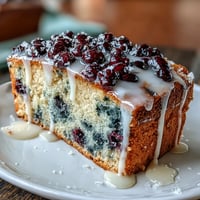
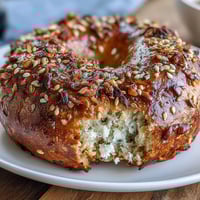
 Save
Save My neighbor stopped by on a Saturday morning with a box of fresh blueberries from the farmer's market, and I found myself wondering what to do with them before they turned soft. That's when I thought about sourdough—tangy, forgiving, and always better when you're feeding it anyway. I grabbed my starter from the fridge, still bubbly from the day before, and started mixing. By the time the dough came together, the smell of lemon zest already had my kitchen feeling like brunch was inevitable.
I'll never forget pulling this bread out of the oven on a Sunday when friends were coming over for brunch. The kitchen filled with this golden, almost honeyed warmth, and someone walked in mid-bake asking "what is that smell?" before I'd even finished the lemon glaze. That bread disappeared faster than I could pour coffee, and someone actually asked for the recipe before finishing their first piece.
Ingredients
- All-purpose flour (2 1/2 cups): The backbone of your dough—measure by weight if you can, because scooping can pack it down and make the bread dense.
- Granulated sugar (1/4 cup for dough): Just enough to feed your starter and give the dough a subtle sweetness without making it cake-like.
- Fine sea salt (1/2 teaspoon): Brings out the tangy sourdough flavor and strengthens the gluten structure.
- Active sourdough starter (1/2 cup): This should be bubbly and at peak, fed within the last 4-8 hours—that's when it has the most oomph.
- Whole milk (1/2 cup, lukewarm): Adds richness and helps create that tender crumb; cold milk will shock the dough.
- Large eggs (2, room temperature): Room temperature eggs incorporate more smoothly and create a softer dough than cold ones.
- Unsalted butter (1/4 cup softened, plus 2 tablespoons melted): Softened butter mixes in easier than cold; the melted butter for filling helps the lemon sugar stick.
- Granulated sugar for filling (1/2 cup): This layer becomes almost candied where it touches the butter.
- Lemon zest (2 tablespoons, finely grated): Fresh zest makes all the difference—bottled zest tastes muted by comparison.
- Fresh blueberries (1 cup): Frozen blueberries work fine if you don't thaw them; they won't bleed as much into the dough.
- Powdered sugar for glaze (1 cup): Whisked smooth with fresh lemon juice, this makes the bread look intentional and taste bright.
- Fresh lemon juice (2-3 tablespoons): Fresh squeezed—bottled just tastes thin.
Tired of Takeout? 🥡
Get 10 meals you can make faster than delivery arrives. Seriously.
One email. No spam. Unsubscribe anytime.
Instructions
- Combine Your Dry Base:
- In a large bowl, whisk together the flour, sugar, and salt so everything is evenly distributed and the salt won't shock any part of the dough. This takes about a minute and makes a huge difference.
- Bring the Wet Ingredients Together:
- In another bowl, whisk the bubbly starter, lukewarm milk, and room-temperature eggs until it looks like you're making scrambled eggs. This homogenizes everything so the dough rises evenly.
- Mix the Dough:
- Pour the wet mixture into the dry ingredients and stir until there's no dry flour left, then add your softened butter. Knead by hand for 7-10 minutes (or let a stand mixer do it for about 5 minutes) until the dough feels smooth, elastic, and slightly sticky—you should be able to stretch a small piece and see light through it.
- First Rise—the Long Sleep:
- Cover the dough with plastic wrap or a damp towel and let it sit at room temperature for 6-8 hours, or overnight. You'll know it's ready when it's roughly doubled and jiggles when you shake the bowl.
- Toast Your Lemon Sugar:
- While the dough rises, rub the lemon zest and sugar together in a small bowl—this releases the oils and makes the mixture fragrant and almost sandy in texture, which is exactly what you want.
- Shape and Fill:
- On a lightly floured surface, roll your dough into a 12x18-inch rectangle, trying to keep the edges relatively even. Brush the entire surface with melted butter, then sprinkle the lemon sugar all over and scatter the blueberries across the top, pressing them gently so they don't roll away.
- Cut and Stack:
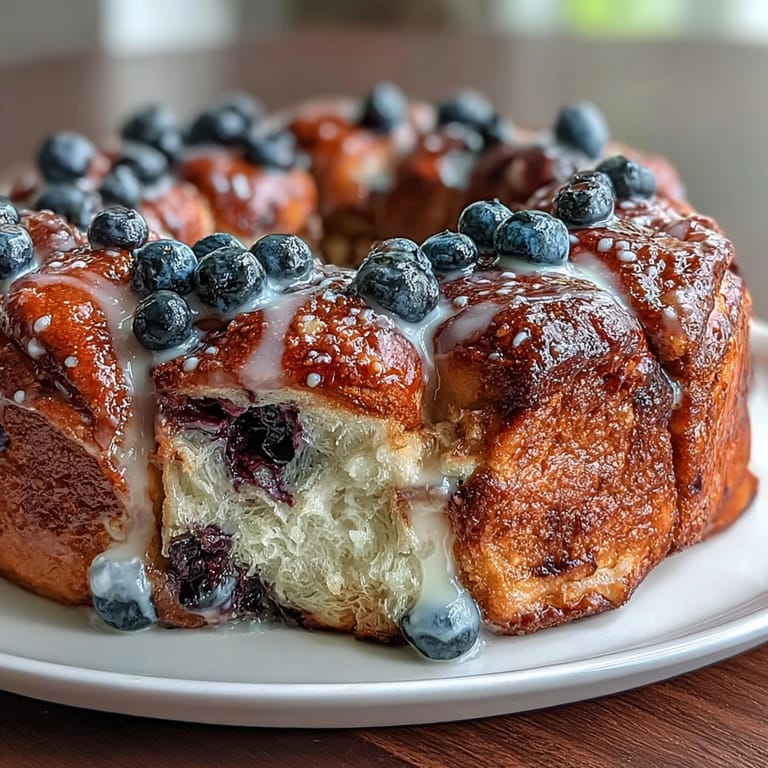
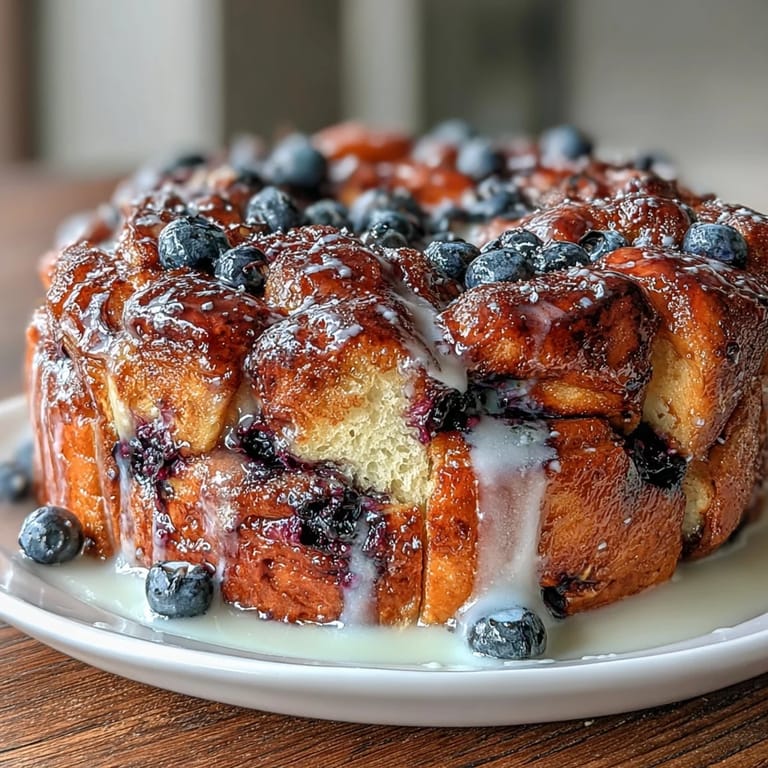
- Using a sharp knife or bench scraper, cut the dough into six 3-inch wide strips running lengthwise. Stack all the strips on top of each other, then cut them crosswise into six squares—you'll have little stacks of dough with all the filling layers visible. Stand these squares up vertically in your greased 9x5-inch loaf pan with the cut sides facing up so you can see all those pretty layers.
- Second Rise:
- Cover the pan loosely and let it rise for 1-2 hours until the bread looks puffy and the pieces have risen above the rim of the pan. This is when the house starts smelling like something special is about to happen.
- Bake Until Golden:
- Preheat your oven to 350°F and bake for 35-40 minutes until the top is deeply golden and a toothpick inserted into the center comes out with just a few moist crumbs. If it's browning too quickly, drape it loosely with foil for the last 10 minutes.
- Cool and Glaze:
- Let the bread cool in the pan for 15 minutes (this helps it hold together), then turn it out onto a wire rack. While it's still warm, whisk the powdered sugar with 2-3 tablespoons of fresh lemon juice until it's pourable, then drizzle it generously over the top and let it run down the sides.
 Save
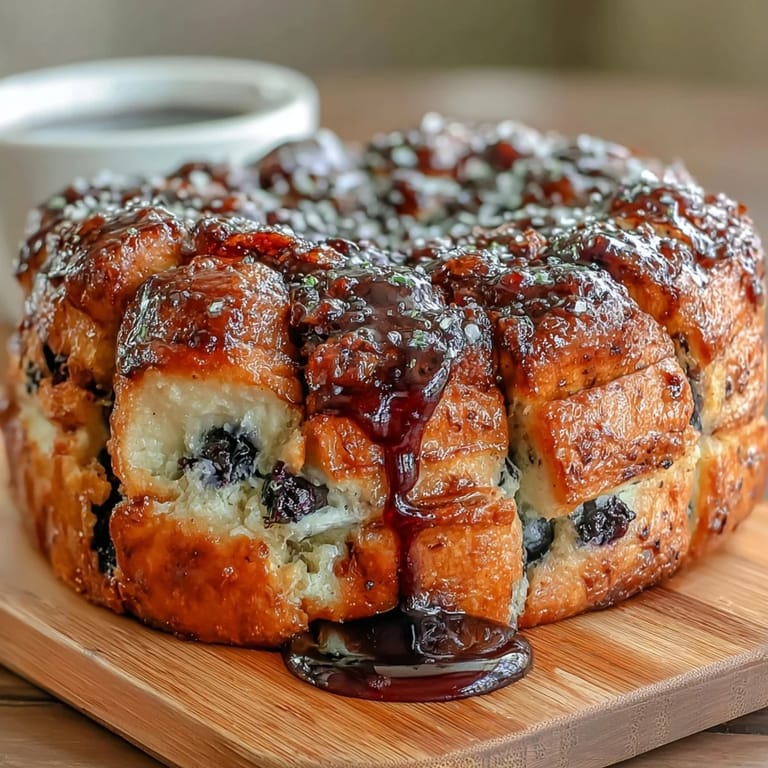
Save There was one morning when I made this for myself on a quiet Tuesday, and I sat at the kitchen table with a warm piece and a cup of tea, and realized I'd accidentally made something that felt like home. It wasn't fancy or complicated, but it was the kind of bread that makes you slow down and actually taste it.
Why Sourdough Makes This Special
Sourdough starter brings something regular yeast can't—a natural tang that plays beautifully against the bright lemon and sweet blueberries. The long, slow rise also develops more flavor in the dough itself, so even without toppings, this would be delicious. I've tried making similar breads with commercial yeast, and they're good, but they taste like bread. This tastes like it was meant to be lemon and blueberry breakfast.
Fresh vs. Frozen Blueberries
Fresh blueberries burst with bright flavor and look beautiful, but frozen ones honestly work just fine here—sometimes even better. Since you're baking them anyway, they're not as delicate as if you were serving them raw, and frozen blueberries won't weep as much color into the dough because their cell structure is already broken down.
Storing and Reheating
This bread stays soft and pull-apart-able for a full day at room temperature in an airtight container, and it actually keeps well in the freezer for up to two weeks. To reheat, wrap slices in foil and warm in a 300°F oven for about 10 minutes, or toast them gently to bring back some of that fresh-from-the-oven warmth.
- A day-old piece is almost better because the flavors settle and the crumb becomes slightly more tender.
- This bread is stunning beside a cup of Earl Grey tea or paired with a mimosa for actual brunch.
- If you add sliced almonds before baking, press them gently into the filling so they don't burn on top.
 Save
Save This bread has become my favorite thing to make when I want to impress people without spending all day in the kitchen. Serve it warm, watch it disappear, and enjoy knowing you made something that tastes homemade because it actually is.
Recipe FAQs
- → How long should the sourdough dough rise?
Allow the dough to rise at room temperature for 6–8 hours or overnight until it doubles in size, ensuring a light and airy texture.
- → Can frozen blueberries be used?
Yes, frozen blueberries can be used directly without thawing to retain their shape and prevent excess moisture.
- → What is the purpose of the lemon glaze?
The lemon glaze adds a sweet, tangy finish that enhances the bright citrus notes and gives a slight shine to the loaf.
- → How should the loaf be stored after baking?
Store cooled bread in an airtight container at room temperature for up to two days, or refrigerate to extend freshness.
- → Can almonds be added for extra texture?
Yes, sliced almonds can be sprinkled before baking to add a pleasant crunch without overpowering the flavors.