 Save
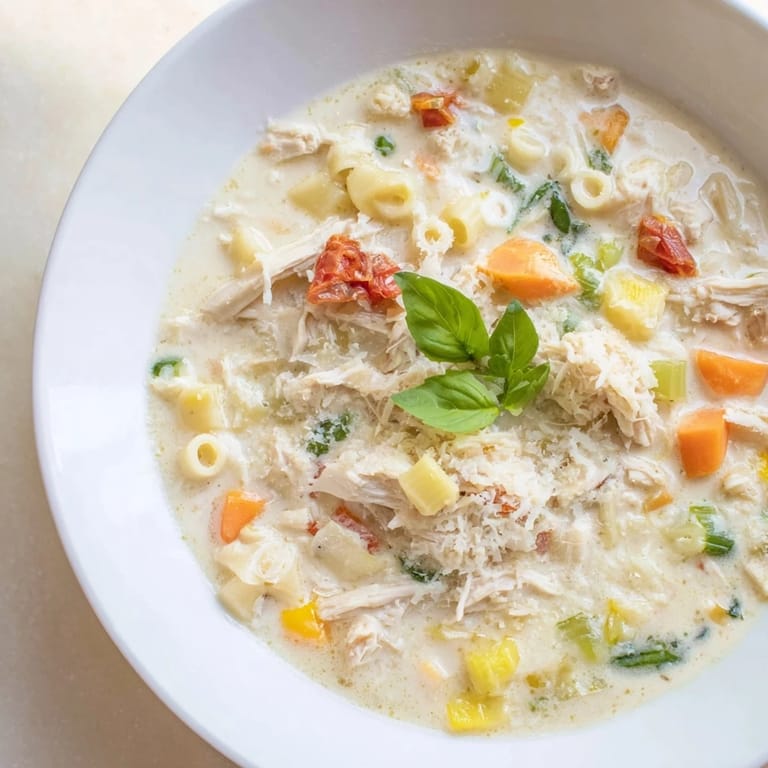
Save There's something about a steaming bowl of Marry Me Chicken Soup that makes you want to pull someone close and share it with them. I discovered this soup on a chilly Tuesday evening when I was trying to recreate the richness of Marry Me Chicken but in a form that felt more like a warm hug than a plated entrée. The first spoonful—creamy broth clinging to tender shredded chicken, sun-dried tomatoes lending their sweet-tart notes—made me understand why this dish earned its romantic name. It wasn't about impressing anyone; it was about the comfort of knowing that something this good exists in your kitchen.
I made this for my neighbor last winter when she was recovering from surgery, and watching her eyes light up as she tasted it—that moment when comfort food does exactly what it's meant to do—I realized this soup was worth perfecting. She asked for the recipe, and now it's become her go-to when someone she cares about needs feeding.
Ingredients
- Boneless, skinless chicken breasts (2, about 450 g): These cook quickly and shred beautifully, but don't skip the initial sear—it builds flavor through browning that makes the whole soup taste deeper and more developed.
- Olive oil (1 tbsp): Just enough to get a golden crust on the chicken without turning the broth greasy.
- Kosher salt and black pepper: Season aggressively at the start; the broth dilutes salt, so what tastes right in the pot needs backbone.
- Yellow onion, carrots, and celery (1 onion, 2 carrots, 2 stalks): This aromatic base is your flavor foundation—don't rush the sauté, and let them soften until they start caramelizing at the edges.
- Garlic cloves (3, minced): Add after the vegetables soften so it doesn't burn and turn bitter; one minute of cooking is enough to perfume the whole pot.
- Sun-dried tomatoes (50 g, drained): These pack concentrated sweetness and tang—if yours are packed in heavy oil, drain them well or your soup becomes slick.
- Low-sodium chicken broth (1 L) and water (240 ml): The combination keeps salt in check while the water lets the chicken flavor shine; taste before adding extra seasoning.
- Heavy cream (120 ml): Stir this in at the very end over low heat so it incorporates silkily without curdling or separating.
- Freshly grated Parmesan (30 g): Buy a wedge and grate it yourself—pre-grated versions have anti-caking agents that can make the soup grainy.
- Ditalini pasta (120 g): These small tubes catch broth in every bite; cook them in the soup itself so they absorb all the flavor, but watch the clock or they'll turn mushy.
- Oregano, thyme, bay leaf (1 tsp each dried herbs, 1 bay): These dried herbs bloom beautifully in hot broth, but remember to fish out the bay leaf before serving—someone biting into it is never fun.
- Red pepper flakes and fresh basil: Start with a quarter teaspoon of flakes; you can always add more heat, but you can't take it back, and fresh basil goes on at the very end so it stays bright and aromatic.
Tired of Takeout? 🥡
Get 10 meals you can make faster than delivery arrives. Seriously.
One email. No spam. Unsubscribe anytime.
Instructions
- Sear the chicken golden:
- Pat your chicken dry with a paper towel—this helps it brown instead of steam. Season both sides with salt and pepper, then lay them into a hot pot with shimmering olive oil and resist the urge to move them around; let them sit for three to four minutes per side until they develop a golden crust.
- Build the aromatic base:
- Once the chicken comes out, add your diced onion, carrots, and celery to the same pot—all those browned bits on the bottom are liquid gold. Stir occasionally and let them soften for about five minutes, then add the garlic and cook just until fragrant, about one minute more.
- Toast the sun-dried tomatoes with spices:
- Stir in your drained sun-dried tomatoes along with oregano, thyme, and red pepper flakes if using them. Let everything warm together for a minute so the dried herbs release their oils and perfume the pot.
- Pour in the broth and simmer:
- Add your chicken broth and water, tuck in a bay leaf, and nestle the chicken back into the pot. Bring everything to a gentle boil, then lower the heat and let it simmer uncovered for fifteen to twenty minutes until the chicken is cooked through and the vegetables are tender enough to fall apart with a spoon.
- Shred and return the chicken:
- Remove the chicken to a cutting board and use two forks to shred it into bite-sized pieces—don't overthink it, you're looking for tender strands not confetti. Stir the shredded chicken back into the pot.
- Cook the pasta in the soup:
- Add your ditalini pasta directly to the simmering broth and cook for eight to ten minutes, stirring occasionally so the pasta doesn't clump. You want it al dente with a tiny bite, not soft.
- Finish with cream and cheese:
- Lower the heat to barely a simmer, remove that bay leaf, and stir in your heavy cream and freshly grated Parmesan. Stir gently until both are melted and incorporated, creating a silky, luxurious broth that clings to everything.
- Taste and adjust:
- Take a spoonful, let it cool slightly, and taste—this is your moment to add more salt, pepper, or a squeeze of lemon if you want brightness. Ladle into bowls and top with fresh basil.
 Save
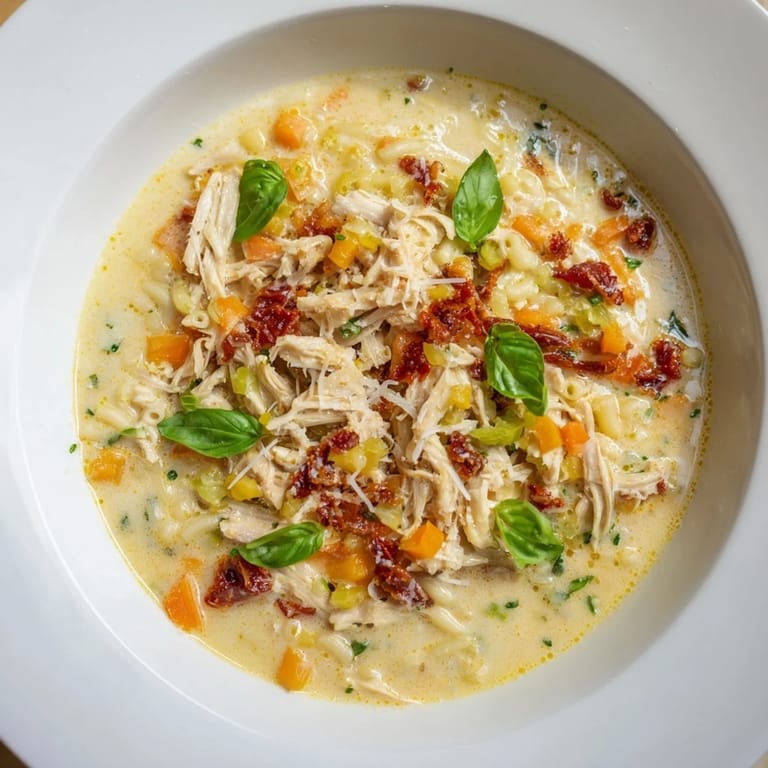
Save My sister asked me why I called it Marry Me Soup instead of just saying I'd made soup, and I realized it's because this dish does something special—it makes people want to linger at the table, to ask for seconds, to understand why you care enough to spend an afternoon in the kitchen for them. That's the real recipe.
Why This Soup Works
The genius of Marry Me Chicken Soup is that it takes the beloved Marry Me Chicken—that viral creamy tomato-basil dish that made everyone fall in love with cooking—and translates it into something even more forgiving and intimate. By turning it into a soup, you get the same luxurious flavors but in a form that's almost impossible to mess up; the broth buffers any small timing mistakes, and there's no plating pressure. I've made this on nights when I had barely any energy and nights when I wanted to show off, and it's worked beautifully both times.
The Secret of Sun-Dried Tomatoes
The first time I added sun-dried tomatoes to a broth, I used the ones packed in heavy oil without draining them, and the whole pot became slick and separated-looking. Now I drain them thoroughly and chop them small so they dissolve slightly into the broth, adding concentrated sweetness and depth without any greasiness. If you've only ever seen sun-dried tomatoes on an Italian restaurant menu, this is your chance to understand why cooks love them—they're like tomato flavor concentrated into a wrinkle, all the goodness with none of the water.
Serving and Storing Your Soup
Serve this soup in wide shallow bowls with crusty bread for soaking up the last spoonfuls and a crisp white wine like Pinot Grigio alongside. The soup freezes beautifully for up to three months if you store it without the pasta—add fresh pasta when you reheat it so it doesn't turn to mush. On a cold morning, there's almost nothing better than remembering you have a container of this waiting in the freezer.
- Reheat gently on the stovetop over medium-low heat, stirring occasionally, and cook fresh pasta separately if using frozen soup.
- A squeeze of fresh lemon juice just before serving brightens everything and cuts through the richness beautifully.
- If the soup thickens too much after sitting, thin it with a splash of broth or water and taste again for seasoning.
 Save
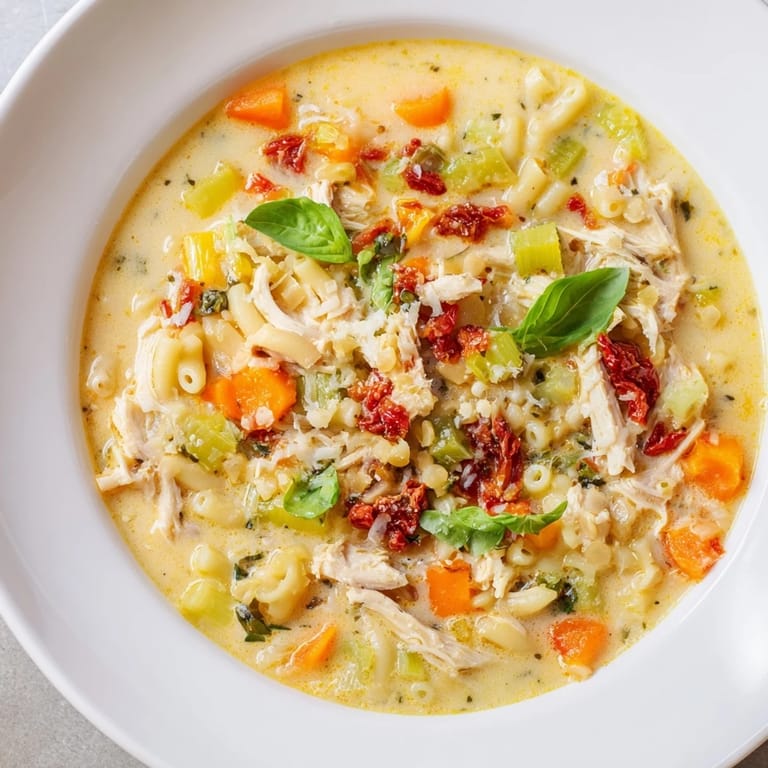
Save This soup asks for nothing more than your presence and attention for an hour, and in return it offers comfort that tastes like someone loves you. Make it for yourself on a day you need gentle care, or make it for someone else and watch their face as they take that first spoonful.
Recipe FAQs
- → What pasta is used in this dish?
Ditalini pasta is used, providing a small, tubular shape that cooks al dente and complements the broth.
- → Can I use a different cheese instead of Parmesan?
Grated Pecorino Romano or Asiago can be good alternatives, adding similar savory notes and creaminess.
- → How do I prevent the chicken from drying out?
Searing chicken breasts briefly before simmering helps lock in moisture and flavor without overcooking.
- → Is it possible to add greens to the dish?
Yes, spinach or kale can be stirred in towards the end for extra nutrition and color.
- → What herbs enhance the flavor best?
Dried oregano and thyme provide earthy warmth, while fresh basil added at the end brightens the dish.