 Save
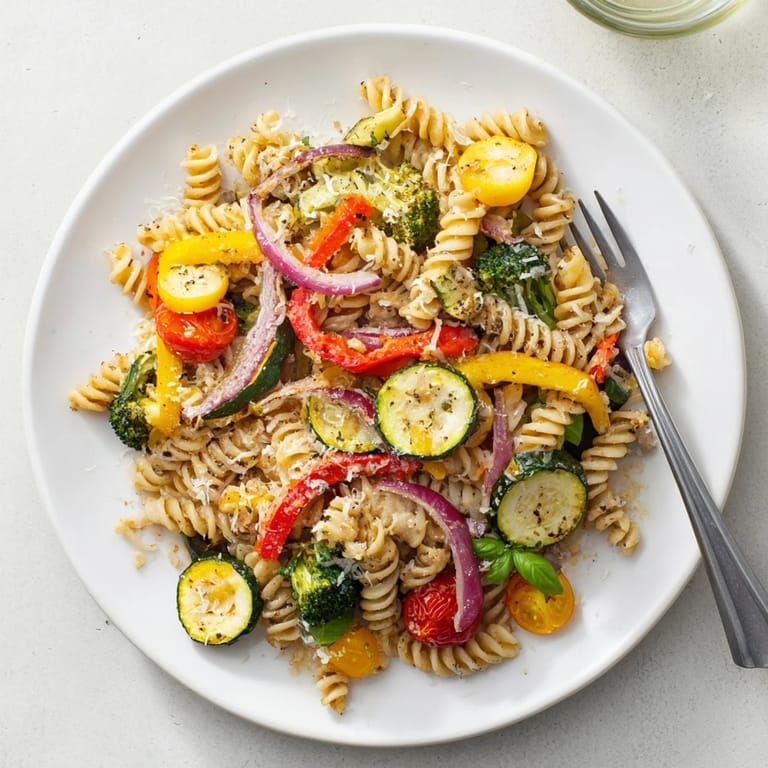
Save Spring cleaning the vegetable drawer turned into dinner one Thursday when I found half a zucchini, a lonely bell pepper, and some cherry tomatoes that needed rescuing. I tossed them on a sheet pan with more olive oil than I probably should have, cranked the oven, and boiled pasta while they roasted. The kitchen filled with that sweet, caramelized smell that makes you forget you were just trying to avoid waste. What started as fridge cleanup became the kind of meal I now make on purpose, colorful and easy and exactly what I want on a weeknight.
I made this for a friend who swore she hated zucchini, and she ate two bowls without realizing what she was enjoying. We sat on the back porch with our pasta balanced on our knees, and she kept asking what I did to make the vegetables taste so good. The answer was nothing fancy, just heat and time and a little Parmesan at the end. It reminded me that sometimes the best cooking is just letting good ingredients do their thing without overthinking it.
Ingredients
- Penne or fusilli pasta: Short shapes with ridges catch the olive oil and little bits of roasted vegetable, making every bite satisfying instead of slippery.
- Zucchini and yellow squash: They release moisture as they roast, so slicing them evenly helps them caramelize instead of steam, and their mild flavor soaks up garlic and herbs beautifully.
- Red and yellow bell peppers: Roasting turns them sweet and slightly smoky, and using two colors makes the dish look like something from a magazine without any extra effort.
- Red onion: It softens and sweetens in the oven, adding a subtle sharpness that balances the richness of the olive oil and cheese.
- Cherry tomatoes: They burst in the heat and create little pockets of tangy juice that cling to the pasta like a light sauce.
- Broccoli florets: The edges get crispy and nutty while the stems stay tender, giving you two textures in one vegetable.
- Extra virgin olive oil: Use the good stuff here since it is not just for cooking but also for flavor, coating every strand of pasta with fruity richness.
- Garlic: Fresh minced garlic sautéed briefly in oil is the backbone of the dish, fragrant and warm without being harsh or burnt.
- Dried Italian herbs: A blend of oregano, basil, and thyme adds that familiar Italian comfort without needing to chop fresh herbs while juggling pans.
- Salt, black pepper, and red pepper flakes: Season the vegetables before roasting so the flavors deepen in the oven, and the optional flakes add a gentle kick that wakes everything up.
- Parmesan cheese: Freshly grated melts into the warm pasta and creates a creamy coating without any cream, just starchy pasta water and good cheese.
- Fresh basil or parsley: A handful stirred in at the end adds brightness and color, making the whole dish taste alive and just finished.
- Lemon wedges: A squeeze at the table cuts through the richness and makes the vegetables taste even more like themselves, bright and clear.
Tired of Takeout? 🥡
Get 10 meals you can make faster than delivery arrives. Seriously.
One email. No spam. Unsubscribe anytime.
Instructions
- Get the oven ready:
- Preheat your oven to 220°C (425°F) and line a large baking sheet with parchment paper so nothing sticks and cleanup is a breeze. This high heat is what gives the vegetables their caramelized edges.
- Prep and season the vegetables:
- Spread the zucchini, yellow squash, bell peppers, red onion, cherry tomatoes, and broccoli on the sheet in a single layer, drizzle with 2 tablespoons of olive oil, and toss with Italian herbs, salt, and pepper until everything glistens. Crowding the pan will steam them instead of roast them, so use two sheets if needed.
- Roast until golden:
- Slide the pan into the oven and roast for 18 to 20 minutes, stirring once halfway through so they brown evenly and the tomatoes start to burst. You will know they are ready when the edges are slightly charred and the kitchen smells sweet and savory.
- Boil the pasta:
- While the vegetables roast, bring a large pot of salted water to a rolling boil and cook the pasta until al dente, then scoop out half a cup of the starchy cooking water before draining. That cloudy water is liquid gold for bringing the whole dish together later.
- Sauté the garlic:
- Heat the remaining tablespoon of olive oil in a large skillet over medium heat and add the minced garlic, stirring constantly for about 30 seconds until it smells amazing but has not turned brown. Burnt garlic is bitter, so keep it moving.
- Combine everything:
- Toss the roasted vegetables and drained pasta into the skillet with the garlic, adding splashes of the reserved pasta water to loosen everything into a silky, cohesive dish. The starch in the water helps the oil cling to the pasta instead of pooling at the bottom.
- Finish with cheese and herbs:
- Remove the skillet from the heat, stir in half the Parmesan and the fresh basil or parsley, and taste to see if it needs more salt or pepper. The residual heat will melt the cheese without making it clumpy.
- Serve hot:
- Divide the pasta among bowls, top with the remaining Parmesan and extra herbs, and offer lemon wedges on the side for anyone who wants a bright, acidic punch. It is best eaten right away while everything is still steaming.
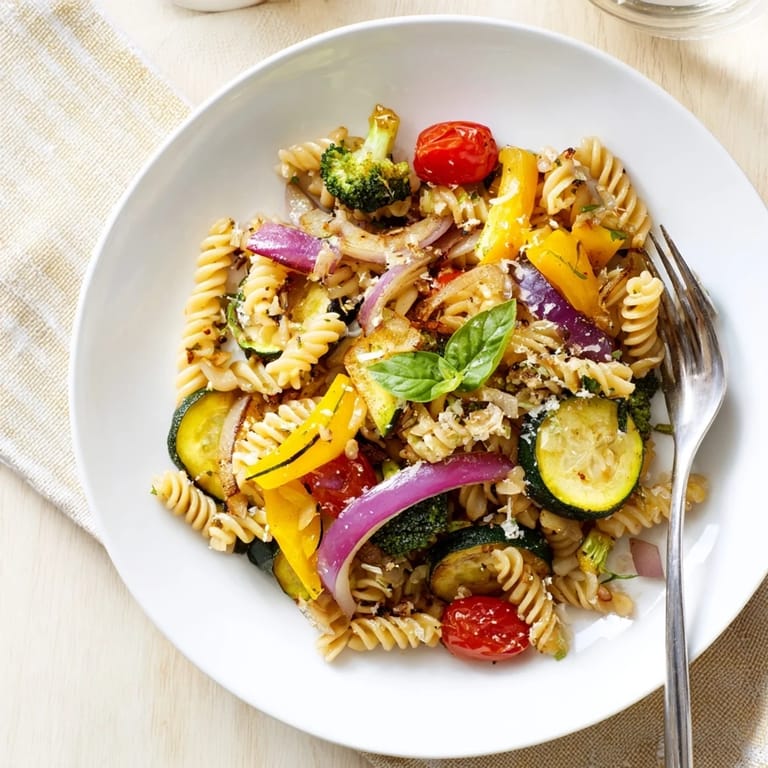 Save
Save The first time I brought this to a potluck, someone asked if I had gone to culinary school because it looked so vibrant and intentional. I laughed and told them it was just whatever I had in the fridge and a hot oven. That is the magic of this dish, it looks like you tried hard but really you just let the vegetables be delicious. Now I make it whenever I want to feel like a competent adult without spending hours in the kitchen.
Choosing Your Vegetables
The vegetables listed are just a starting point, not a rigid formula. I have made this with asparagus in spring, snap peas in early summer, and mushrooms in fall when the farmers market was overflowing. The key is to cut everything roughly the same size so they roast evenly, and to pick vegetables that can handle high heat without turning to mush. Delicate greens like spinach or arugula should be stirred in at the very end, off the heat, so they wilt gently instead of disappearing into the pasta.
Making It a Complete Meal
This pasta is hearty enough to stand alone, but I have added protein plenty of times when feeding someone who needs more than vegetables to feel satisfied. Sautéed shrimp takes less than five minutes and tastes incredible with the lemon and garlic. Leftover rotisserie chicken works beautifully, and chickpeas straight from the can (drained and tossed with the vegetables before roasting) add a nutty richness and extra fiber. If you are keeping it vegetarian, a poached egg on top turns it into something luxurious and breakfast-for-dinner worthy.
Storing and Reheating
Leftovers keep in an airtight container in the fridge for up to three days, and I have eaten this cold straight from the container more times than I care to admit. If you want to reheat it, a splash of water or olive oil in a skillet over medium heat brings it back to life without drying it out. The microwave works in a pinch, but the vegetables lose some of their texture and the pasta can get a little gummy. I also like to toss leftovers with a handful of fresh arugula and a drizzle of balsamic vinegar for a quick pasta salad that feels like a completely different dish.
- Store the Parmesan separately if you are meal prepping, so you can add it fresh when you reheat and it does not get gummy.
- If the pasta seems dry after a day in the fridge, stir in a tablespoon of olive oil or a splash of vegetable broth before reheating.
- Frozen roasted vegetables work here too, just toss them on the sheet pan straight from the freezer and add a few extra minutes to the roasting time.
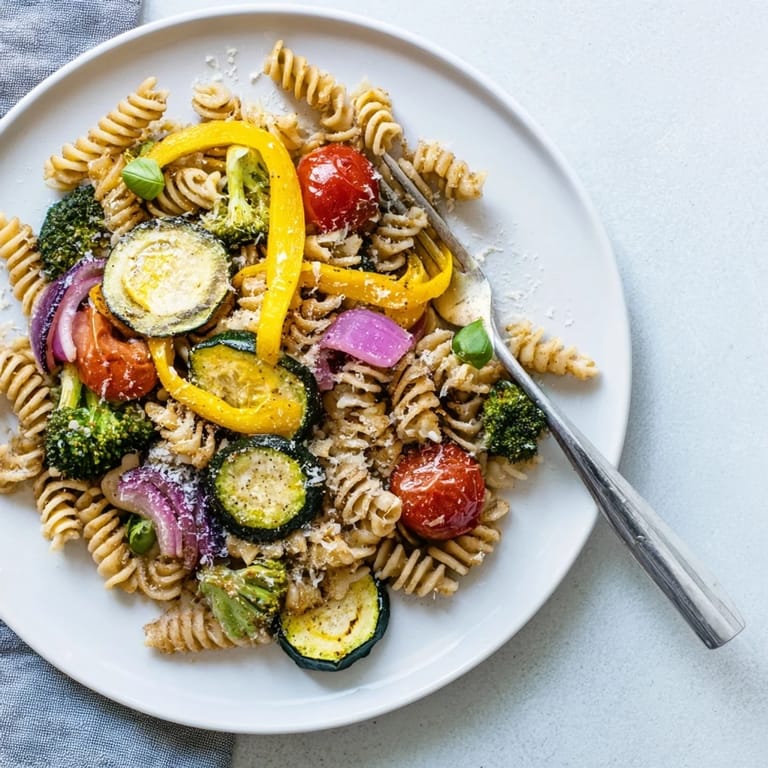 Save
Save This is the kind of recipe that grows with you, changing with the seasons and whatever you have on hand, never boring because it is never exactly the same twice. I hope it becomes one of those dishes you make without thinking, the one you turn to when you want something nourishing and bright and easy. Enjoy every colorful, garlicky bite.
Recipe FAQs
- → What vegetables work best for this dish?
Use seasonal vegetables for the best flavor and freshness. Spring options include asparagus and snap peas; summer offers zucchini, yellow squash, and bell peppers; fall features mushrooms and broccoli. Cherry tomatoes and red onions work year-round and add brightness to the dish.
- → Can I prepare this dish ahead of time?
You can roast the vegetables ahead and store them in the refrigerator for up to 2 days. Cook the pasta fresh just before serving, then combine with the vegetables and heat through in the skillet. This saves time without compromising quality.
- → How do I make this dish more protein-rich?
Add sautéed chicken, shrimp, or canned chickpeas to boost protein content. For vegetarian protein, incorporate white beans or lentils. Grilled tofu also works well and absorbs the flavors of the garlic and herbs beautifully.
- → What pasta shape works best?
Penne and fusilli are ideal because their ridged surfaces and curves catch the oil and vegetable pieces. Rigatoni and farfalle are excellent alternatives. Avoid thin pastas like spaghetti, which don't hold the vegetables as well.
- → Is this dish suitable for dietary restrictions?
Yes, it's naturally vegetarian and vegan-friendly (omit Parmesan or use plant-based alternatives). Use gluten-free certified pasta for those with celiac disease. Always verify packaged ingredients are certified gluten-free to avoid cross-contamination.
- → What wine pairs well with this meal?
A crisp Pinot Grigio or Sauvignon Blanc complements the fresh vegetables and light olive oil base perfectly. The acidity in these whites brightens the dish and cleanses the palate between bites.