 Save
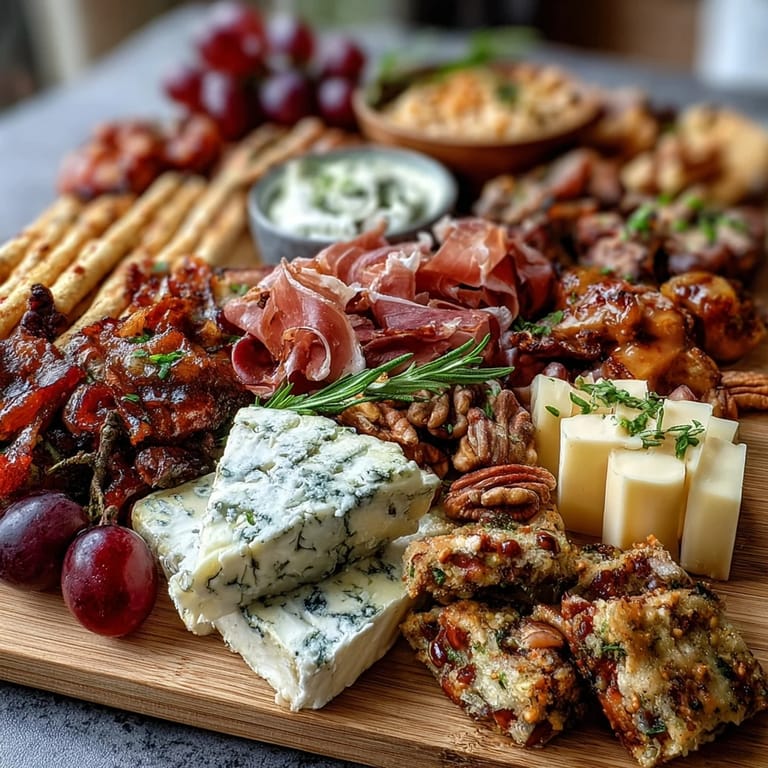
Save My neighbor knocked on my door with a bottle of wine the day I moved into my new place, and within an hour, three more families had stopped by with congratulations. Suddenly I had eight people in my kitchen with no plan, so I grabbed whatever was in my fridge and started arranging things on a cutting board. What started as a desperate improvisation became the moment everyone relaxed, grabbed a handful of something, and just talked. That chaotic first spread taught me that a charcuterie board isn't really about perfection—it's about giving people permission to mingle and nibble without formality.
The first time I made this intentionally for a housewarming gift, I realized watching people build their own combinations—a bit of brie here, some prosciutto there, maybe a cracker with blue cheese and grapes—was actually more fun than any planned-out course. Someone's kid discovered that cheddar and apricots were a thing, and suddenly everyone was experimenting. That's when I knew this board had something special: it turns eating into play.
Ingredients
- Prosciutto (120 g): Drape it loosely in natural folds rather than stacking flat—it looks more generous and tastes better when air touches it.
- Salami (120 g): A good balance between the prosciutto's delicacy and richer cured meats; slice fresh if possible.
- Smoked ham (120 g): The crowd-pleaser that appeals to everyone, especially people hesitant about funkier charcuterie.
- Chorizo slices (100 g): Brings heat and richness; a little goes a long way.
- Brie (150 g, sliced): Soft and approachable, it's your gateway cheese for people nervous about trying new things.
- Aged cheddar (150 g, cubed): Nutty and sharp, it stands up beautifully against sweet fruits and cured meats.
- Gouda (120 g, sliced): Buttery and mild, it bridges the gap between familiar and interesting.
- Blue cheese (100 g, crumbled): This is the bold statement—use it sparingly so it doesn't intimidate, but generously enough that adventurous eaters find it.
- Hummus (100 g): A creamy, earthy anchor that feels less heavy than mayonnaise-based dips.
- Tzatziki (100 g): The fresh, cooling element that makes people return for another round.
- Roasted red pepper dip (100 g): Sweet and slightly smoky, it transforms plain crackers into something memorable.
- Assorted crackers (150 g): Mix textures—water crackers stay crisp longest, multigrain adds nuttiness, and seeded crackers give visual interest.
- Baguette, sliced (100 g): Toast the slices lightly if making ahead; it prevents sogginess when dips land.
- Breadsticks (100 g): These stand up naturally and let people grab them one-handed while chatting.
- Red and green grapes (2 cups total): The sweet, juicy relief from all the richness—don't skip them.
- Cherry tomatoes (1 cup): Halve them so they're less likely to roll around and easier to eat with one hand.
- Cucumber slices (1 cup): A cooling, hydrating element that also looks beautiful; slice about ¼-inch thick so they hold together.
- Bell pepper strips (1 red, sliced): Color plus crunch, and they pair surprisingly well with creamy dips.
- Baby carrots (1 cup): Leave them whole for visual appeal and so guests can dip them easily.
- Mixed nuts (½ cup): A textural contrast and subtle salt that makes everything taste richer.
- Olives, pitted (½ cup): The salty, briny note that makes you want to try everything else on the board.
- Dried apricots (¼ cup): The unexpected pairing—tangy-sweet against cured meats and sharp cheeses.
- Dried figs (¼ cup): Chewy and elegant, they look intentional and taste unexpectedly luxurious.
- Fresh herbs—rosemary and thyme: A sprinkle across the top adds fragrance, color, and a subtle reminder that this is thoughtfully arranged.
Tired of Takeout? 🥡
Get 10 meals you can make faster than delivery arrives. Seriously.
One email. No spam. Unsubscribe anytime.
Instructions
- Start with the meats:
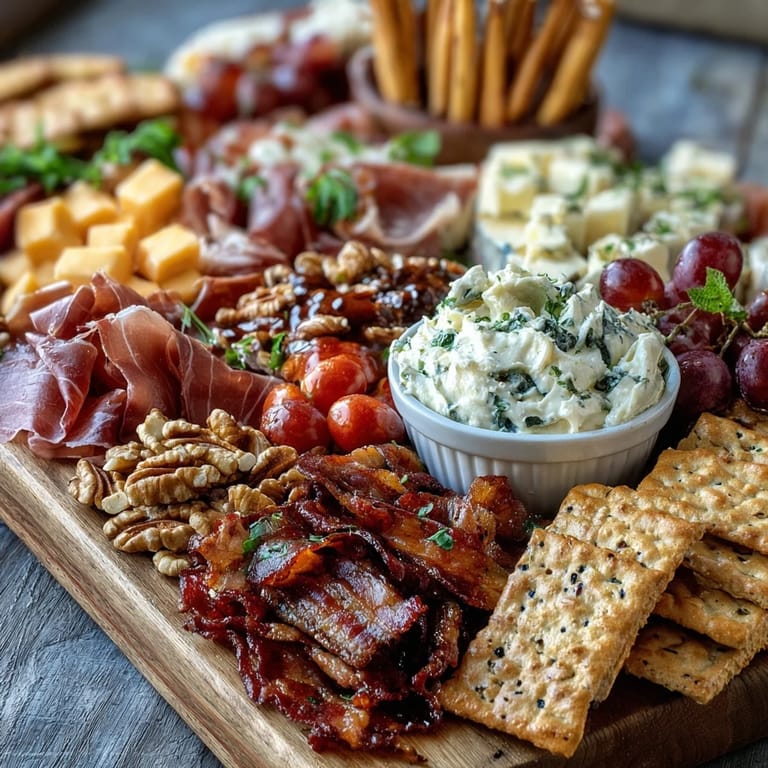
- Fold or roll each type loosely and arrange them in one or two clustered sections on your board, leaving room for everything else. This natural draping looks generous and inviting, and the meat stays fresher when it's not compressed.
- Build the cheese landscape:
- Position each cheese type in its own small area, spacing them so guests can see what's what without everything blending together. I like placing softer cheeses away from the dips so they don't accidentally slide into moisture.
- Settle the dips:
- Spoon each dip into its own small bowl and nestle the bowls among the other items—never pour dips directly onto the board unless you want chaos mid-party. They're flavor anchors, so give each one its own little home.
- Fan out the crackers and bread:
- Arrange crackers in loose lines or standing arrangements, letting baguette slices lean against each other and breadsticks stand upright in clusters. This makes them easy to grab and fills the visual gaps without looking sparse.
- Fill the gaps with produce:
- Scatter grapes in small clusters, arrange tomato halves cut-side-up so they look intentional, fan out cucumber slices, and group carrot sticks and pepper strips in little bunches. Produce is your color painter—use it to balance the neutral tones of meat and cheese.
- Scatter the nuts and dried fruits:
- Drop these in small clusters rather than spreading them evenly; it looks more organic and makes people feel like they're discovering little treasures. Don't mix them together—keep almonds separate from apricots, so textures stay distinct.
- Finish with herbs:
- Sprinkle fresh rosemary and thyme across the board as a final garnish—it catches the light, smells incredible, and signals that someone actually cared about this spread.
- Serve and refresh:
- Set the board out and let people graze immediately, but keep an eye on empty sections and replace them as needed. A board that's slightly replenished throughout the party always looks more impressive than one that gets picked to pieces.
 Save
Save A few months after that chaotic housewarming, I ran into my neighbor at the store, and she told me she'd made her own charcuterie board for her daughter's birthday using the same loose, generous approach. It had become more than a pretty appetizer—it was permission to slow down, choose your own adventure, and share something without pretension.
Building Your Board Strategy
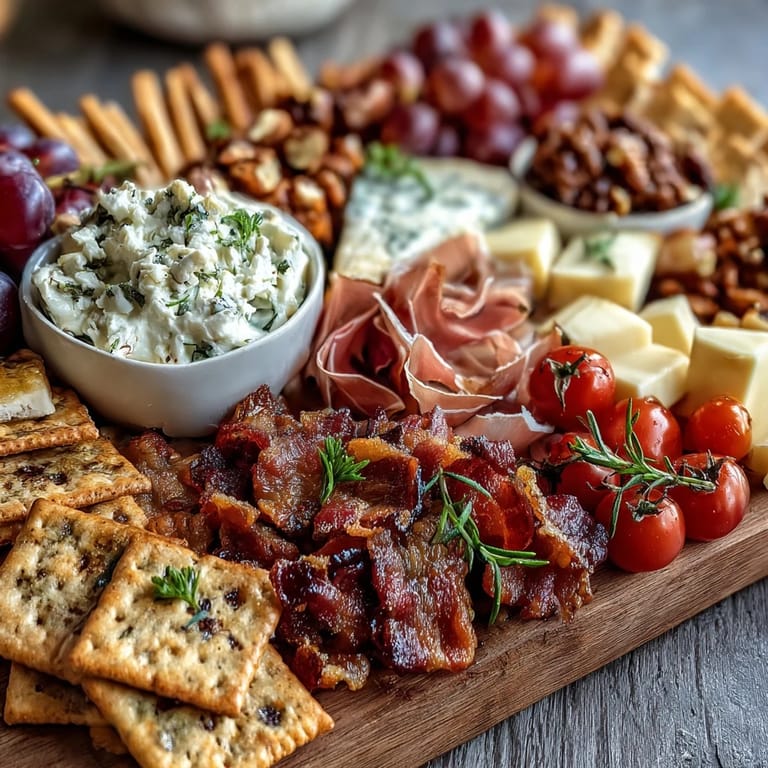
Think of your board in sections rather than trying to fill every inch perfectly. I usually divide it into thirds: one section for meats, one for cheeses, one for vegetables, and then let nuts, dips, and dried fruits live in the pockets between. This creates natural rhythm and prevents the board from looking chaotic even when every inch is covered. Colors matter too—the reds of tomatoes and peppers against pale brie, the deep greens of olives next to white cheese, the golden tones of dried fruit scattered through it all.
The Texture Thing That Changed Everything
I learned this by accident when a cracker broke in my hand mid-board: mixing textures is the real secret. Soft cheese needs a crisp cracker or crunchy vegetable nearby. Chewy dried fruit tastes better next to something savory. Smooth hummus begs for something to break through it. When you think in terms of what each component is missing texture-wise, the board starts building itself.
Timing and Temperature Tips
Soft cheeses like brie taste best at room temperature, while harder cheeses are fine straight from the fridge. I usually pull everything out about thirty minutes before serving, but I keep the board in a cool spot until the last moment—no direct sunlight, away from heat. A board that's even slightly warm loses its crispness and appeal.
- Keep dips chilled in the fridge until the last possible moment, then set them out just before people arrive.
- If your party runs long, rotate in fresh vegetables and grapes from the fridge to replace wilted ones and refresh the visual appeal.
- Toast baguette slices lightly the morning of if you're prepping ahead—they'll stay crisp and won't absorb dip moisture as quickly.
 Save
Save A charcuterie board is less about rules and more about rhythm—the balance of flavors and textures that keep people reaching back for just one more bite. Make it with some thought, but not so much that you're stressed, and it'll be the part of your party people remember.
Recipe FAQs
- → What types of meats are ideal for this board?
Cured meats like prosciutto, salami, smoked ham, and chorizo slices offer a range of flavors and textures that complement the cheeses and accompaniments well.
- → Which cheeses work best for variety and balance?
Brie, aged cheddar, gouda, and blue cheese provide a mix of creamy, sharp, mild, and tangy profiles, enhancing the overall tasting experience.
- → How can I add freshness to the spread?
Incorporate fresh produce such as grapes, cherry tomatoes, cucumber slices, bell pepper, and baby carrots to lighten rich flavors and add crisp texture.
- → What are some suitable dips to include?
Hummus, tzatziki, and roasted red pepper dip bring diverse tastes and creamy textures that complement both the meats and the crackers.
- → Any tips for assembling the board attractively?
Arrange meats in loose folds, space cheeses evenly, nestle dips in small bowls, fan out crackers and breads, and fill gaps with fruits, vegetables, and nuts. Garnish with fresh herbs for a polished finish.
- → Can I modify this for dietary preferences?
Yes, substitute meats or cheeses as needed, include vegetarian options, and opt for gluten-free crackers to accommodate different dietary needs.