 Save
Save There's something about the smell of broccoli hitting hot butter that makes a kitchen feel like home, even on days when cooking feels like a chore. My neighbor once brought over a thermos of this soup on a particularly gray afternoon, and I remember being struck by how such simple ingredients could taste so deeply satisfying. She swore by keeping the heat gentle after adding cream, a detail that seemed minor until I learned it the messy way. Now whenever I make it, I find myself slowing down, letting each step happen without rushing, which somehow makes the whole thing taste better.
I made this soup for a dinner party once, nervous because I wanted to impress people I barely knew, and it somehow became the conversation starter. Someone asked for the recipe right there at the table, and another guest admitted they'd never realized broccoli could taste this creamy without being heavy. What struck me most wasn't the compliments but the moment everyone went quiet, just eating, which felt like the highest compliment a cook could receive.
Ingredients
- Fresh broccoli florets (1 large head, about 500 g): Buy broccoli that looks vibrant green with tight florets, and don't peel those stems because they're sweeter than you'd expect and blend beautifully into the final texture.
- Medium onion (1, diced): The onion is your flavor foundation, so take a moment to dice it evenly so it softens at the same rate as everything else.
- Medium carrot (1, peeled and diced): Carrots add a subtle sweetness that balances the earthiness of broccoli, and their natural sugars caramelize slightly during sautéing.
- Garlic cloves (2, minced): Don't use garlic powder here because fresh garlic creates an aromatic quality that makes people ask what smells so good.
- Vegetable broth (1 liter or 4 cups): Good quality broth makes a noticeable difference, so read labels and choose one with fewer additives if you can.
- Heavy cream (120 ml or ½ cup): The cream should be added off the heat or over very low heat to prevent it from breaking and turning the soup grainy.
- Unsalted butter (2 tablespoons) and olive oil (1 tablespoon): The combination of butter and oil prevents burning while building rich flavor, and unsalted lets you control the seasoning.
- Salt and black pepper: Taste as you go because broccoli needs adequate seasoning to shine, and some broths are saltier than others.
- Ground nutmeg (pinch, optional): A whisper of nutmeg seems strange until you taste it, then it becomes the secret people can't quite identify.
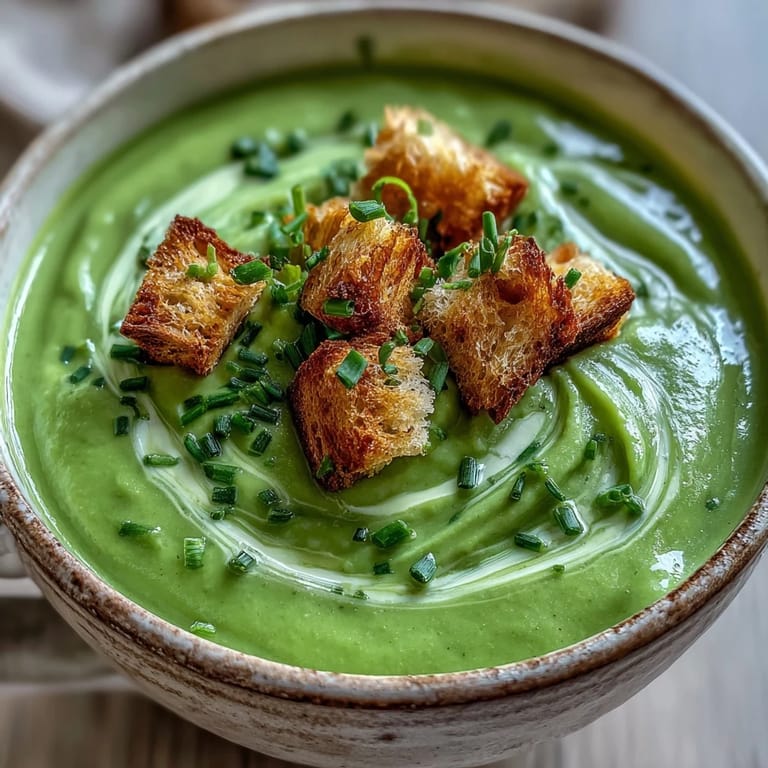
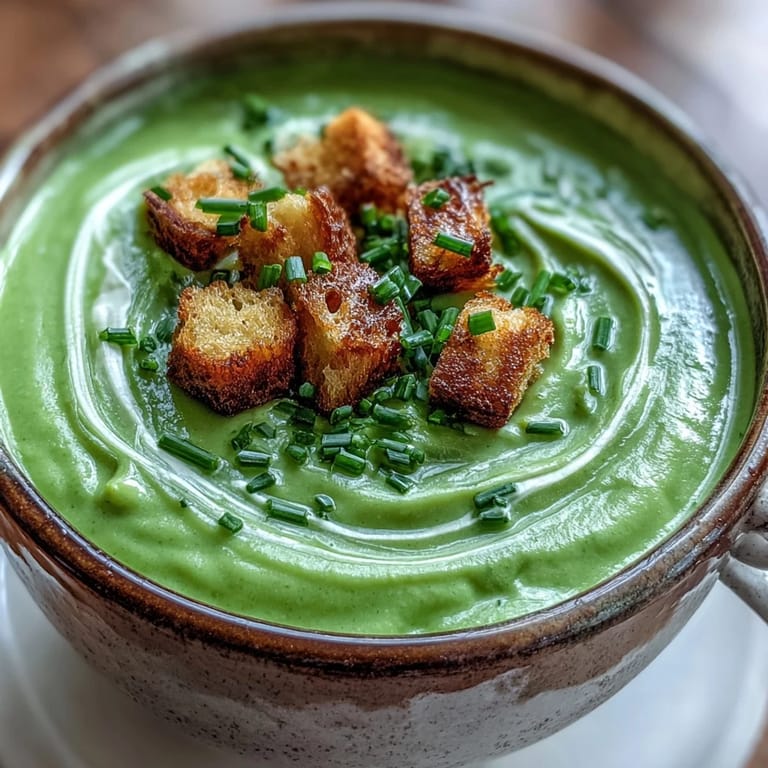
- Fresh chives and croutons for garnish: These add texture and visual appeal, turning a simple bowl into something that looks restaurant-quality.
Tired of Takeout? 🥡
Get 10 meals you can make faster than delivery arrives. Seriously.
One email. No spam. Unsubscribe anytime.
Instructions
- Build your base with aromatics:
- Heat butter and oil together in a large pot over medium heat, then add onion, carrot, and garlic. Let them soften for about 4 to 5 minutes, stirring occasionally, until the kitchen starts smelling impossibly good and the vegetables are turning translucent at the edges.
- Introduce the broccoli:
- Add your chopped florets and stir well, letting them cook for 2 to 3 minutes so they start releasing their flavor into the fat. This brief cooking step matters more than it seems.
- Simmer until tender:
- Pour in the vegetable broth, bring everything to a boil, then reduce heat and cover. Let it simmer gently for 15 to 18 minutes until the broccoli breaks apart easily when you press it with a spoon, which is your cue that blending will create the smoothest texture.
- Blend to creamy perfection:
- Remove from heat and use an immersion blender, moving it in circular motions until the soup is completely smooth and pale green. If using a countertop blender, work in careful batches to avoid splashing.
- Finish with cream and spice:
- Stir in the heavy cream and that optional pinch of nutmeg, then taste and adjust salt and pepper. If the soup cooled down, reheat gently over low heat, but never let it boil once cream is added or it may separate.
- Serve with intention:
- Ladle into bowls and add your chosen garnishes, whether that's a drizzle of cream, a scatter of chives, or some crunchy croutons for contrast.
 Save
Save The moment I realized this soup mattered was when my daughter asked for it three times in one week, and not because it was novel or trendy, but because it became her comfort food. There's something grounding about offering someone a bowl of something warm and green and satisfying, knowing you made it from things that came from the earth.
Variations That Work
This recipe is forgiving enough to adapt based on what's in your kitchen or what your body needs. I've made it with half-and-half when heavy cream wasn't available, and while the texture is lighter, it's still silky and delicious. Coconut milk creates an entirely different but equally compelling version, and adding a diced potato makes it hearty enough to be a main course instead of a starter.
Make It Your Own
The beauty of this soup is that it's a canvas for your preferences and dietary needs. Some people finish theirs with a squeeze of fresh lemon juice, which brightens the earthiness beautifully, while others add a pinch of cayenne for warmth. You might prefer it thinner with more broth or thicker by adding less liquid, and that's the whole point of cooking at home.
Storage and Reheating
This soup keeps well in the refrigerator for up to four days, and it honestly tastes even better on day two or three once the flavors have had time to meld. You can also freeze it, though freeze it before adding cream, then stir in fresh cream when you reheat it to avoid any texture issues. Reheat gently over medium-low heat, stirring occasionally, and add a splash of broth if it's thickened too much.
- Cool the soup completely before refrigerating to prevent condensation and food safety issues.
- Freeze in portions using ice cube trays or small containers so you can thaw exactly what you need.
- Always reheat gently and avoid boiling, which can separate the cream and change the silky texture you worked to achieve.
 Save
Save There's real magic in how something this simple can feel this nourishing, and I hope it becomes something you make without consulting a recipe because you know it by heart. That's when cooking stops being a task and becomes a language you speak.
Recipe FAQs
- → Can I make this soup ahead of time?
Absolutely. This soup reheats beautifully and actually develops more flavor when made a day ahead. Store in an airtight container in the refrigerator for up to 3 days. Gently reheat over low heat, avoiding boiling to prevent cream separation.
- → How can I make this soup thicker?
Add a peeled, diced potato during the simmering stage. The starch naturally thickens the broth without altering the flavor. Alternatively, reduce the broth slightly or purée a portion of the soup separately for extra body.
- → What can I use instead of heavy cream?
Half-and-half, whole milk, or coconut milk work well for lighter versions. For a dairy-free option, use full-fat coconut milk or cashew cream. Note that lighter alternatives may yield a less rich consistency.
- → Can I freeze this broccoli soup?
Freezing works best before adding cream. Cool the blended broth completely, then freeze in portions for up to 3 months. Thaw overnight in the refrigerator, reheat gently, and stir in fresh cream when serving.
- → What garnishes work best?
Fresh chives, toasted croutons, a drizzle of olive oil, or extra cream create beautiful presentation. Grated Parmesan, crispy bacon bits, or roasted broccoli florets also add delightful texture and flavor contrast.