 Save
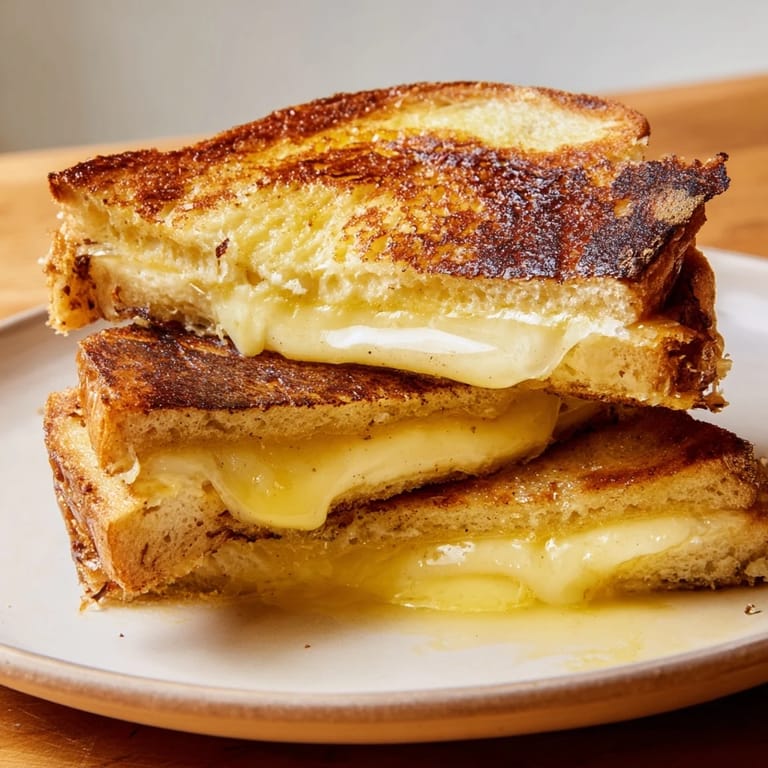
Save I stumbled into this recipe on a rainy Sunday morning when I had leftover brioche and an urge to elevate the usual grilled cheese. The idea hit me mid-scramble: what if I treated a cheese sandwich the way I treat French toast? The result was so gloriously buttery and indulgent that my partner asked if I'd lost my mind in the best way possible. That first golden-brown bite, with the custard-soaked bread giving way to pooling Gruyère, convinced me this wasn't just breakfast anymore—it was something worth repeating.
The first time I made this for guests, I was genuinely nervous—it seemed too easy to fail, too indulgent to serve without apology. But watching everyone's eyes light up as they bit through that caramelized exterior into the silky cheese center told me I'd stumbled onto something special. One friend literally paused mid-bite and said nothing for a full five seconds, which felt like the highest compliment.
Ingredients
- Eggs, milk, and heavy cream: This custard mixture is what transforms the whole dish—the cream gives it richness that regular egg-soaked bread can't touch.
- Brioche or challah bread: The butter content in these breads means they soak up the custard without falling apart, which I learned the hard way with grocery store sandwich bread.
- Gruyère or sharp cheddar: Gruyère melts into silky pockets and adds a nutty undertone, but sharp cheddar works beautifully too if that's what you have.
- Dijon mustard: Just a touch—it's optional but absolutely worth it, cutting through the richness with a whisper of sophistication.
- Butter and oil: The combination gives you a better sear than butter alone, keeping everything golden without burning.
Tired of Takeout? 🥡
Get 10 meals you can make faster than delivery arrives. Seriously.
One email. No spam. Unsubscribe anytime.
Instructions
- Build your custard base:
- Whisk together eggs, milk, cream, sugar, salt, pepper, and that tiny bit of Dijon mustard in a shallow bowl until everything is smooth and unified. This is your magic potion.
- Assemble the sandwiches:
- Take four slices of bread, top each with two slices of cheese, then cover with the remaining bread to seal them. You want enough cheese to really see it ooze when you slice.
- Get your pan ready:
- Heat your skillet over medium heat—not high, or you'll burn the outside before the cheese melts inside. Swirl in the butter and oil once it's shimmering.
- Coat and sear:
- Dip each sandwich briefly into the custard, flipping to coat both sides but stopping before it gets soggy. You want it kissed by the mixture, not drowning.
- Cook until golden:
- Lay the sandwiches in the hot pan and give them three to four minutes per side, pressing gently with your spatula so the cheese spreads evenly. The exterior should be deep golden and the cheese should be visibly melting.
- Rest and serve:
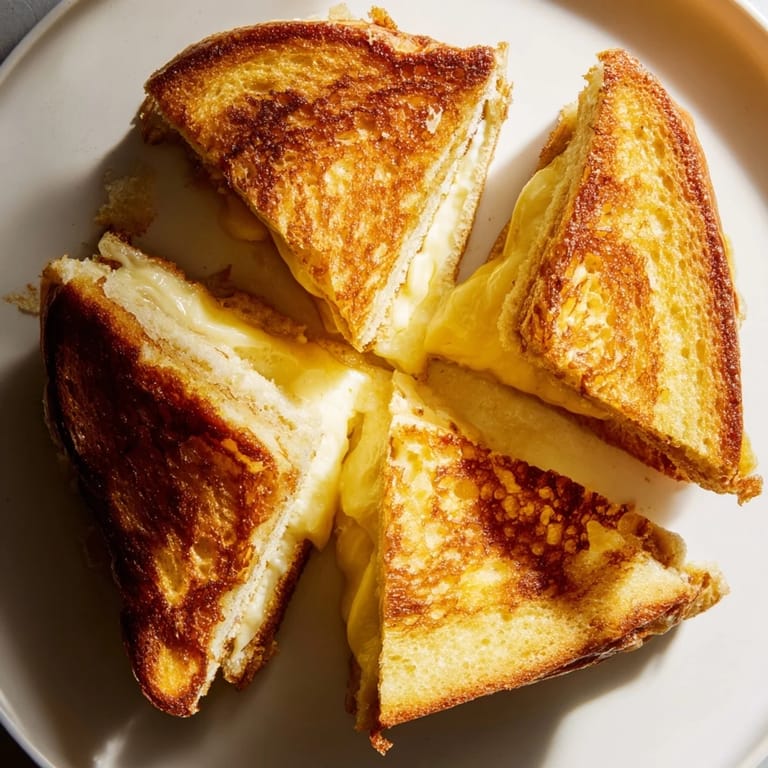
- Let them sit for two minutes on a cutting board—this helps everything settle and stay together when you slice. Cut at an angle for maximum drama.
 Save
Save There's a moment, right after the spatula lifts that first sandwich and it bends slightly under its own indulgent weight, when you know you've created something worth bringing to the table. That's when it stops being just breakfast and becomes a small, edible act of care.
Why the Custard Makes All the Difference
The genius of this dish is that the custard adds richness and structure that a simple egg dip doesn't provide. The cream and sugar coat the bread so it browns deeply while staying tender inside, and the slight saltiness keeps it from tasting like dessert. I've made this with regular milk before and it wasn't the same—the cream is what makes it feel indulgent.
Flavor Variations That Actually Work
The base recipe is rich enough to stand alone, but it's also forgiving enough to play with. A thin layer of fig jam or caramelized onions nestled with the cheese pushes this into territory that feels almost gourmet. If you want to go the savory route, a tiny smear of Dijon mustard on the bread itself before assembling adds another layer, though the one in the custard is usually enough.
How to Make It Your Own
The beauty of this recipe is that it adapts gracefully to whatever you have on hand. Swap out the cheese depending on your mood—Swiss brings earthiness, mozzarella keeps it delicate, fontina adds a fruity note. The bread matters too, so reach for the best brioche or challah you can find.
- If you have day-old bread, it actually works better because it won't absorb the custard as aggressively.
- Make the sandwiches ahead and refrigerate them, then dip and cook fresh—this eliminates the stress of timing.
- Serve alongside something acidic like a simple salad or tomato soup to cut through the richness beautifully.
 Save
Save This dish lives in that perfect overlap where elegance meets ease, making it feel like you did something impressive without the stress. Once you've made it once, you'll find yourself thinking about it on quiet mornings.
Recipe FAQs
- → What type of bread works best?
Brioche or challah bread around 1/2-inch thick offers a soft yet sturdy base that absorbs the custard well without falling apart.
- → Can I use different cheeses?
Yes, Swiss, mozzarella, or fontina can be substituted for different flavor profiles while maintaining gooey texture.
- → How can I add a sweet-and-savory twist?
Adding a thin layer of fig jam or caramelized onions with the cheese creates a delightful balance of flavors.
- → What cooking fat is recommended?
A combination of unsalted butter and neutral oil like canola ensures even browning without burning the bread.
- → How do I achieve a golden crust?
Cook sandwiches on medium heat for 3–4 minutes per side, pressing gently to crisp the exterior while melting the cheese inside.