 Save
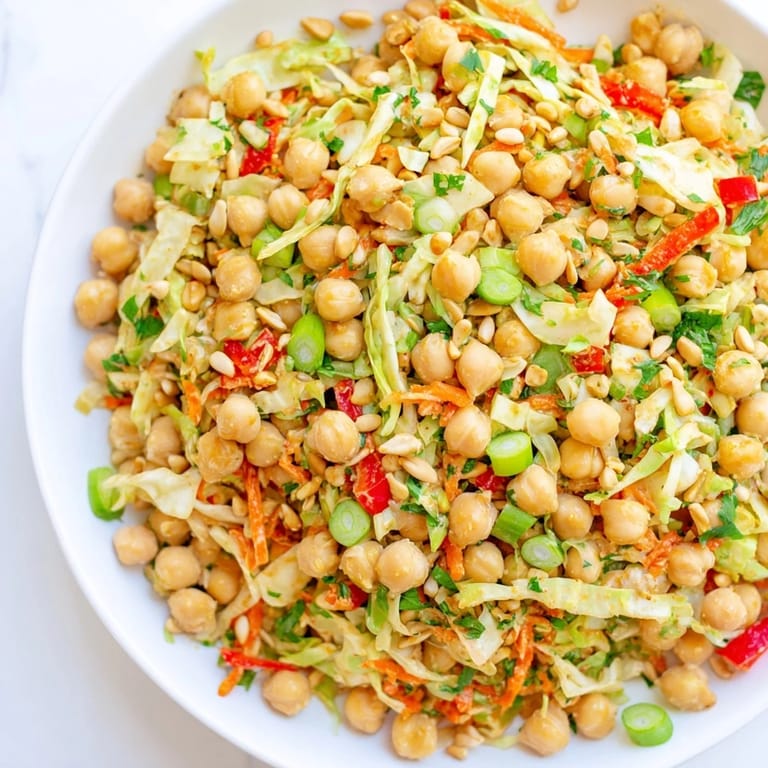
Save There's something about a salad that catches you off guard with how satisfying it can be. I was standing in my kitchen on a Tuesday, staring at a can of chickpeas and wondering if I could actually make something that didn't feel like an afterthought for lunch. Twenty minutes later, I had this bowl of color and crunch in front of me, dressed in something so creamy and bright it made me lean over the counter for another forkful before I'd even sat down. That's when I knew this wasn't just a salad recipe—it was the kind of thing that makes you feel good and tastes even better.
I made this for a friend who'd been struggling to find meals that worked with her dietary restrictions, and watching her face light up when she tasted it was worth every chop and whisk. She came back for seconds before I could even ask if she wanted more, and that's when I realized this salad transcends the usual 'healthy obligation' feeling that so many plant-based dishes can carry. It became the thing we'd make together on Thursday nights, our own little ritual of fresh herbs and tahini.
Ingredients
- Cooked chickpeas (2 cups): They're your protein anchor here, sturdy enough to hold up to the dressing without falling apart. If you're using canned, that rinse is non-negotiable—it makes a real difference in the final taste.
- Shredded green or red cabbage (2 cups): Cabbage stays crisp even after sitting with dressing for hours, which is why this salad is perfect for meal prep or bringing somewhere. Choose whichever color appeals to you—they both taste nearly identical but will create a different mood on the plate.
- Shredded carrots (1 cup): These add natural sweetness that balances the earthiness of tahini, plus they're easier to prep if you use a box grater or food processor.
- Red bell pepper, diced (1 small): Brightness in flavor and color, and the slight sweetness keeps the whole thing from feeling too heavy.
- Green onions, thinly sliced (2): They hit like a little spark of sharpness right at the end—don't skip them or serve them minced with the salad at the start; add them just before eating so they stay punchy.
- Fresh parsley, chopped (1/4 cup): Parsley isn't just decoration here; it lifts everything and keeps the salad tasting fresh and alive.
- Toasted sunflower seeds (2 tablespoons, optional): The toasting is what matters—it wakes them up and gives you that texture contrast that makes you want to keep eating.
- Tahini (3 tablespoons): This is what makes the dressing luxurious; don't use tahini from a jar that's been sitting around for three years because it'll taste bitter. Fresh tahini makes all the difference.
- Freshly squeezed lemon juice (2 tablespoons): Bottled won't quite give you the same brightness, and this dressing deserves better than that.
- Extra-virgin olive oil (1 tablespoon): It rounds out the dressing and keeps it from tasting too sharp.
- Maple syrup or honey (1 tablespoon): Just enough to soften the tahini's earthiness without making this taste like dessert.
- Garlic, minced (1 clove): Raw garlic will announce itself loudly, so use good judgment depending on your mood and who you're feeding.
- Cold water (2–3 tablespoons): This is how you control the dressing's consistency—start with 2 tablespoons and go from there so you don't accidentally make it too thin.
- Ground cumin (1/2 teaspoon): It whispers into the background, adding a warmth that you'll taste but won't be able to quite name.
- Salt and black pepper (1/2 teaspoon salt, 1/4 teaspoon pepper): Taste as you go—you might need more depending on your ingredients and preferences.
Tired of Takeout? 🥡
Get 10 meals you can make faster than delivery arrives. Seriously.
One email. No spam. Unsubscribe anytime.
Instructions
- Set up your workspace:
- Pull out a large bowl and a cutting board, and lay out all your ingredients in front of you like you're about to cook on a cooking show. It takes two seconds and saves you from making frantic trips across the kitchen.
- Prep your vegetables:
- Shred the cabbage and carrots—use a box grater or food processor if you have one, because your knuckles will thank you. Dice the bell pepper into roughly the same size pieces as your shredded vegetables so everything feels balanced on the fork.
- Build the salad base:
- Toss the chickpeas, cabbage, carrots, bell pepper, green onions, parsley, and sunflower seeds into your large bowl. This is also when you can taste a chickpea and make sure they're the quality you want—there's nothing worse than discovering halfway through lunch that they taste off.
- Make the dressing:
- In a separate small bowl, whisk tahini with lemon juice, olive oil, maple syrup, and minced garlic until it starts to come together. Gradually add the cumin, salt, and pepper, then start adding water one tablespoon at a time while whisking, watching as it transforms from a thick paste into something creamy and pourable.
- Bring it all together:
- Pour that creamy dressing over your salad and toss with real intention—you want every piece of vegetable and chickpea to catch some dressing. This is where the magic happens; taste it and adjust the salt or lemon juice if you need to.
- Finish and serve:
- You can serve it right away while everything is at its crispest, or cover it and let it chill for 30 minutes if you prefer flavors that have had time to get to know each other. Either way, it's ready to eat.
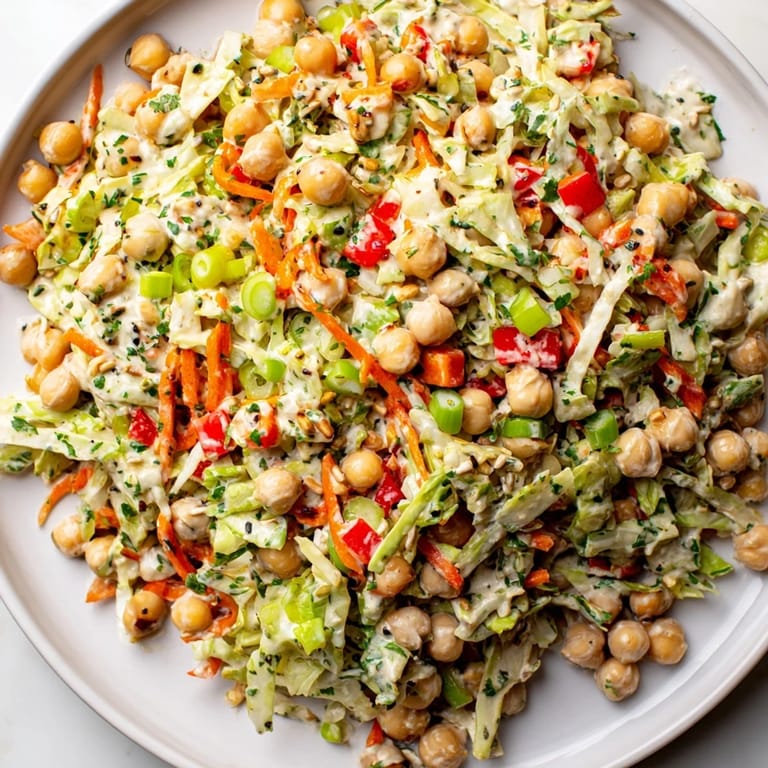 Save
Save The first time I brought this to a potluck, three people came back asking for the recipe because they couldn't believe something that tasted this good and looked this alive could actually be vegan and gluten-free. That moment, standing in someone's kitchen with a nearly empty bowl and people genuinely asking for help making it themselves, is when I understood this salad was more than just ingredients stirred together.
Why This Dressing Works
Tahini gets a bad reputation for being heavy or too earthy, but it's actually the key to making plant-based eating feel abundant rather than restricted. The lemon juice breaks it up and brightens it, the maple syrup softens it, and together they create something that clings to every vegetable and makes you want to keep eating. I've made dozens of salad dressings, and this is the one that makes people ask for seconds without thinking about whether it's 'healthy enough'—it just tastes good.
Make It Your Own
This recipe is more of a foundation than a rulebook. I've added radishes for extra bite, swapped the red cabbage for a purple variety, and thrown in some thinly sliced fennel when I wanted something with a different kind of crunch. The beauty of a salad like this is that it's hard to get wrong—you're mostly just building a bowl of good vegetables and coating them in a delicious dressing.
Storage and Serving Ideas
This salad keeps beautifully in the refrigerator for three to four days, though the cabbage will gradually soften if left dressed for too long. I like to pack the dressing separately if I'm taking it to work, then toss everything together right before eating so I get that satisfying crunch. You can serve it as a light lunch on its own, pile it next to grilled chicken or tofu if you want more protein, or use it as a side dish at a dinner where you want something that actually tastes like food and not obligation.
- Add a handful of fresh herbs like mint or cilantro if you want an extra layer of freshness.
- If you need it nut-free, just skip the tahini and use a cashew cream or sunflower seed butter thinned with water and lemon juice instead.
- Leftovers taste even better the next day once the flavors have settled, so don't hesitate to make extra.
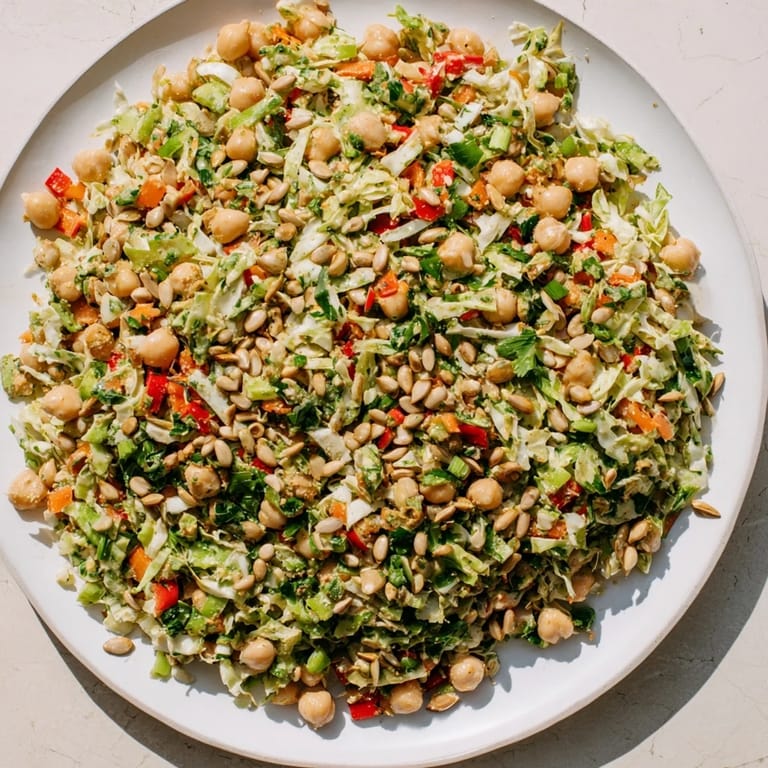 Save
Save This is the kind of salad that reminds you why eating well doesn't have to feel like punishment. It's vibrant, it's filling, and it's the sort of thing that makes you genuinely excited about lunch.
Recipe FAQs
- → What type of chickpeas work best for this dish?
Cooked or canned chickpeas both work well. Just be sure to drain and rinse canned chickpeas to reduce sodium and improve texture.
- → Can I substitute tahini in the dressing?
Yes, sunflower seed butter or almond butter can be used as alternatives to tahini, offering a different but complementary nutty profile.
- → How does adding sunflower seeds affect the salad?
Sunflower seeds add a pleasant crunch and a subtle nutty flavor, enhancing the texture contrast in the salad.
- → Is it better to serve this salad immediately or chilled?
Serving immediately preserves the crispness of the vegetables, while chilling for 30 minutes allows flavors to meld and intensify.
- → What can be added for extra heat or flavor?
A pinch of cayenne pepper adds heat, and fresh herbs like parsley brighten the overall taste. For a richer layer, some crumbled feta (if dairy is acceptable) can be included.