 Save
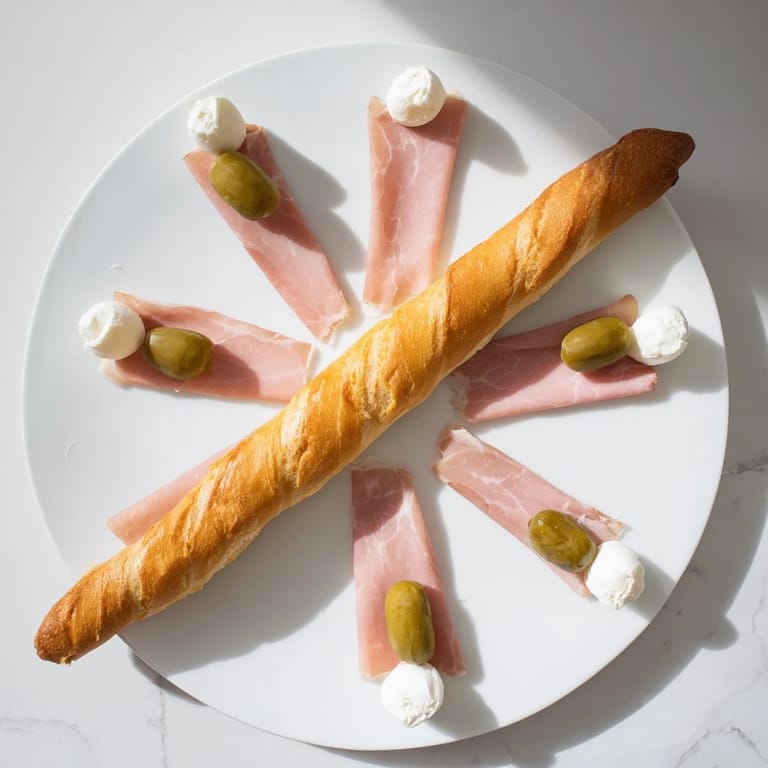
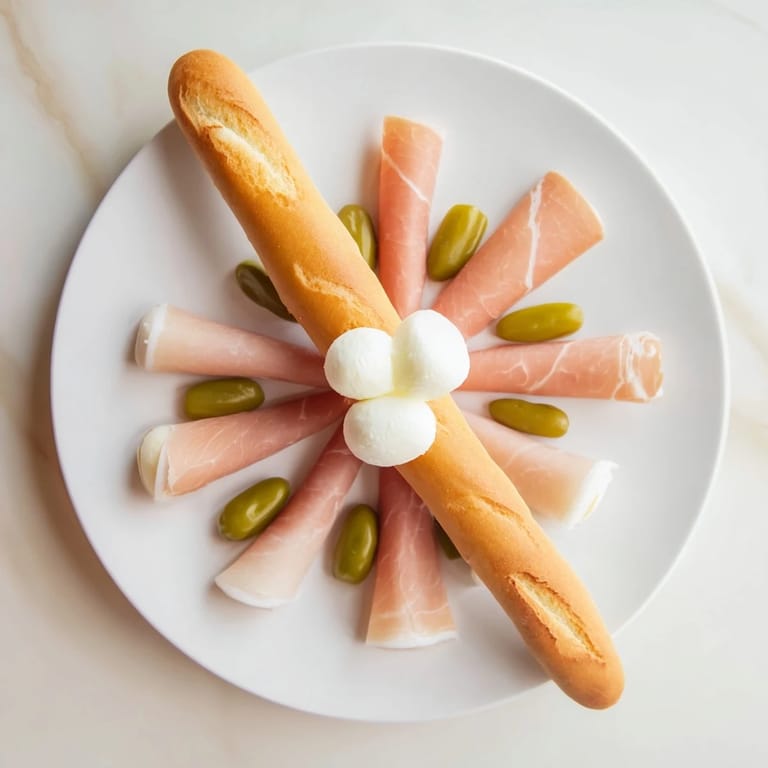
Save I'll never forget the moment I discovered fractal geometry could translate into something delicious. I was scrolling through architecture blogs at midnight—procrastinating, really—when I saw a perfect branching tree pattern and thought, why not make this edible? That night, I gathered whatever I had in my fridge: a breadstick, some prosciutto, cheese, and vegetables. What emerged was pure magic. A platter that looked like something from an art gallery but tasted like a celebration. My guests didn't just eat it; they gasped when they saw it, then smiled as they picked pieces from the branches like they were harvesting from an actual tree.
I made this for my sister's engagement party, and watching people approach the platter with curiosity, then delight, then genuine joy as they understood the pattern—it reminded me that food isn't just about flavor. It's about the story you tell, the conversation it starts, and how it makes people feel seen and celebrated.
Ingredients
- 1 large breadstick (about 25–30 cm long): This is your anchor, your tree trunk. Choose one that's sturdy enough to hold its place; it becomes the visual and literal foundation of everything else. I've learned that slightly room-temperature breadsticks hold their shape better than cold ones straight from the fridge.
- 6 slices prosciutto or vegetarian deli slices: These are your largest branches, the ones that catch the eye first. The saltiness and delicate texture create an elegant contrast with the fresh vegetables. If using vegetarian alternatives, look for ones with a similar translucent quality.
- 6 mini mozzarella balls or small cheese cubes: These white gems punctuate the platter with creaminess and create visual rhythm. Buy the freshest you can find; quality matters here because they're not hidden under sauce.
- 6 baby pickles or gherkins: The tartness wakes up your palate and adds necessary acidity to balance the richness of the cheese and cured meat.
- 12 cherry tomatoes, halved: Bright, juicy, and familiar—they're the bridge between the sophisticated charcuterie and the fresh vegetables. Halving them creates more surface area and interesting geometry.
- 12 thin cucumber slices: These add cooling crunch and visual lightness. I slice them on a mandoline for that thin, professional look that makes the whole platter feel intentional.
- 12 green or black olives: Choose ones you actually enjoy eating; they'll show up in the final pattern. I prefer Castelvetrano olives for their buttery sweetness, but use what speaks to you.
- 18 small basil leaves: These are your smallest branches, the delicate tips of the tree. They add a whisper of herbal freshness and fragrance. Pick them just before arranging so they stay perky and green.
- 18 roasted red pepper strips: Sweet, silky, and slightly smoky—these add another dimension of flavor and color. Buying them jarred is absolutely fine and saves time without sacrificing taste.
- 18 small crackers or crostini: The foundation for those who want to build bites, these add texture and the ability to eat the platter more substantially. I like thin, crispy crackers that don't overpower.
Tired of Takeout? 🥡
Get 10 meals you can make faster than delivery arrives. Seriously.
One email. No spam. Unsubscribe anytime.
Instructions
- Set your stage:
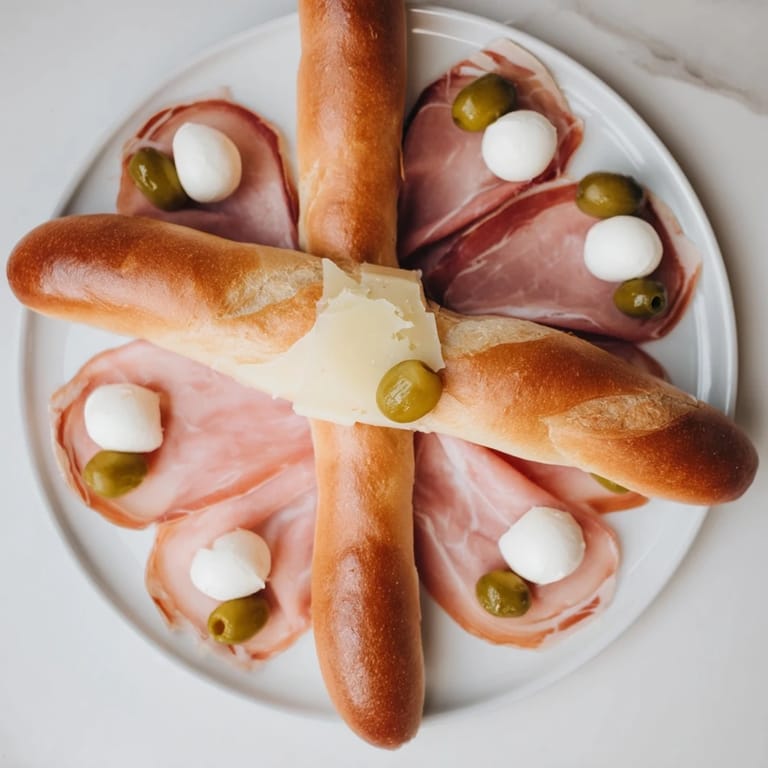
- Place your large platter in front of you like you're about to paint a picture. Position the breadstick down the center, standing it up slightly or laying it diagonally if that feels more natural to your platter's shape. Step back and imagine the invisible tree—this is your guide.
- Build the first branches:
- Now comes the meditative part. Take one slice of prosciutto and fold it gently, creating a soft curve. Lay it on one side of the breadstick near the top. Mirror it on the opposite side. This symmetry is what makes the eye believe in the pattern. Do the same with mozzarella balls and pickles, alternating them so each branch has three different elements. Think of it like you're decorating a real tree with ornaments.
- Layer the second branches:
- Moving outward and downward, arrange your tomato halves, cucumber slices, and olives. These should radiate from the endpoints of your first branches, extending the tree's reach. You're following the natural mathematics of growth now—each new branch getting smaller, spreading wider. This is where the fractal magic becomes visible.
- Crown it with the smallest branches:
- Finally, tuck the basil leaves, pepper strips, and crackers into the outermost areas. These tiny elements should feel delicate, like the smallest twigs at the tree's periphery. Let some angles be playful; nature isn't perfectly rigid.
- Step back and adjust:
- Walk away and look at your platter from above. Does it feel balanced? Are there any gaps that catch your eye? Adjust spacing to enhance the visual flow. This is your signature; make it feel intentional.
 Save
Save What struck me most wasn't just that people loved eating it—it was that they paused before they did. They admired it first, took photos, discussed the pattern, and suddenly a simple appetizer became an experience, a conversation starter, a moment everyone remembered long after the crumbs were gone.
The Geometry of Good Eating
There's something deeply satisfying about following nature's patterns in the kitchen. The fractal tree isn't just a visual trick; it's how trees actually grow, how ferns unfurl, how broccoli branches. When you arrange food this way, you're tapping into something people recognize on a cellular level. They don't need to understand the mathematics to feel that it's right. That moment of recognition, that internal 'ah, yes, I know this pattern,' is what transforms a platter into an experience.
Flexibility Meets Vision
The beauty of this platter is that it's a framework, not a prison. Running low on prosciutto? Use grilled vegetables instead—the vegetarian version is equally stunning. Don't have red peppers? Substitute sun-dried tomatoes, marinated artichokes, or even thinly sliced apples for sweetness. The fractal principle remains true regardless of ingredients; you're simply changing the color palette and flavor notes. I've made this platter a dozen times with different ingredients, and each version tells a different story while maintaining that core mathematical elegance.
Making It Memorable
Here's the secret that makes this more than just pretty: before guests arrive, drizzle the platter lightly with good olive oil and crack fresh black pepper over everything. The oil brings warmth and richness to the vegetables, and the pepper adds a subtle sophistication. Pair it with a dry white wine or even sparkling water to cleanse the palate between bites. Consider setting a small card beside the platter explaining the fractal pattern—people love understanding the 'why' behind beautiful things.
- Chill all components separately before assembly so they stay fresh and crisp throughout serving
- If making ahead, keep the crackers and basil separate and add them five minutes before guests arrive
- Arrange everything on a slightly angled platter; this helps prevent rolling and creates better visual depth
 Save
Save This platter proves that impressive entertaining doesn't require hours at the stove. Sometimes the most magical moments come from pausing to see what you already have and arranging it with intention. Serve it, enjoy their reactions, and remember: you just turned geometry into something people will talk about for weeks.
Recipe FAQs
- → How is the breadstick used in the platter?
The breadstick serves as the central trunk, anchoring the platter's fractal branching design with ingredients radiating outward.
- → What ingredients compose the largest branches?
Largest branches include prosciutto or vegetarian deli slices, mini mozzarella balls, and baby pickles arranged symmetrically.
- → Can this platter accommodate dietary restrictions?
Yes, swap prosciutto for extra cheese or grilled vegetables for vegetarian options, and use gluten-free breadsticks and crackers for gluten-free needs.
- → How are the smaller branches created?
Smaller branches feature basil leaves, roasted red pepper strips, and small crackers or crostini to complete the fractal pattern.
- → What is the best way to serve this platter?
Arrange all components just before serving to keep freshness, and encourage guests to pick pieces from the branching layers interactively.
- → Are there suggested pairings for this platter?
Dry white wine or sparkling water pairs well, enhancing the flavors without overpowering the delicate ingredients.