 Save
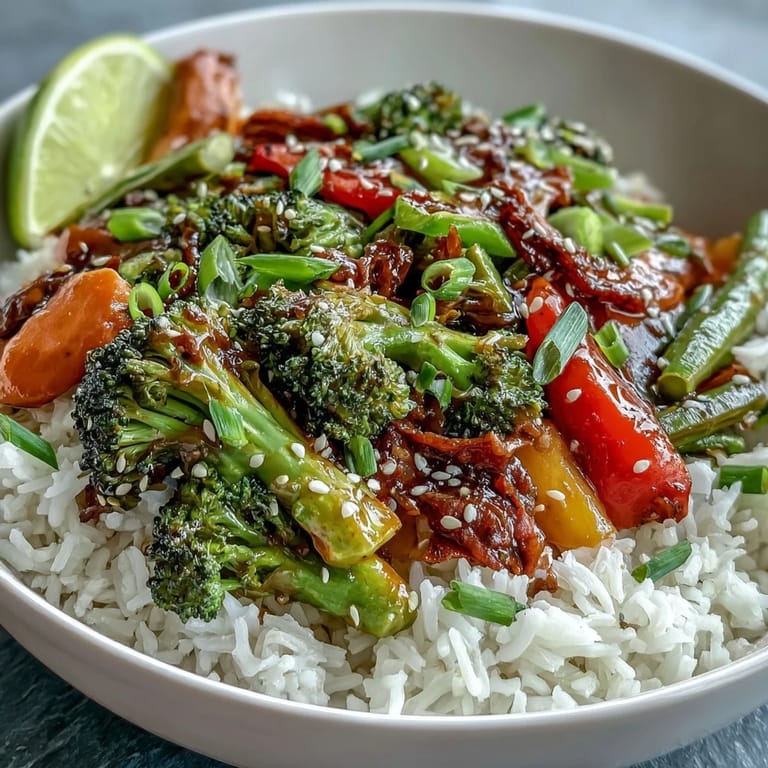
Save One Tuesday evening, I was staring at a crisper drawer full of vegetables that seemed to be staging a silent protest against becoming forgotten leftovers. My partner wandered in asking what was for dinner, and instead of ordering takeout like usual, I grabbed a wok and decided to prove that healthy food could actually be fast and exciting. Twenty-five minutes later, we were both surprised at how the simple combination of colorful vegetables and a creamy peanut sauce tasted nothing like obligation. This stir-fry became my answer to the weeknight scramble, and I keep coming back to it.
I made this for my sister when she visited and mentioned she was trying to eat more plant-based, but wasn't ready to give up flavor. Watching her reaction when she tasted how the sesame oil and ginger sang through the sauce reminded me that good food doesn't require complicated ingredients or sacrifices. She's since texted me the recipe at least three times asking how I made it taste so good.
Ingredients
- Broccoli florets: These stay wonderfully crisp-tender if you don't crowd the pan, and they soak up the sauce like little flavor sponges.
- Red and yellow bell peppers: They add natural sweetness and those gorgeous colors that make you feel virtuous before you've even tasted anything.
- Carrot, sliced diagonally: The diagonal cut isn't just pretty—it increases surface area so they cook faster and catch more sauce.
- Sugar snap peas: These keep a satisfying snap that reminds you the dish is alive with texture, not mushy.
- Red onion, thinly sliced: Raw onion adds a sharp note that balances the rich peanut sauce beautifully.
- Garlic and ginger: These two are the reason your kitchen will smell incredible and your taste buds will thank you.
- Natural peanut butter: Skip the emulsified stuff and use the real deal—it creates an authentically creamy sauce without mystery ingredients.
- Soy sauce: Use tamari if you need gluten-free, and don't skip it or the sauce loses its savory backbone.
- Rice vinegar: This adds brightness without harshness, cutting through the richness of the peanut butter.
- Maple syrup or honey: Just enough sweetness to round out the sauce, but not so much that it becomes dessert.
- Toasted sesame oil: A little goes a long way—this is the ingredient that makes people ask what your secret is.
- Roasted peanuts and sesame seeds: The final flourish that gives you crunch and makes the dish feel intentional.
Tired of Takeout? 🥡
Get 10 meals you can make faster than delivery arrives. Seriously.
One email. No spam. Unsubscribe anytime.
Instructions
- Make the sauce while your pan heats:
- Whisk together peanut butter, soy sauce, rice vinegar, maple syrup, sesame oil, and warm water until it's smooth and pourable. This is easier than it sounds if you work slowly—the water gradually loosens the peanut butter into a silky consistency. Stir in red pepper flakes if you like heat, then set it aside.
- Get your pan screaming hot:
- Use medium-high heat with a large nonstick skillet or wok, adding just a splash of neutral oil if you'd like. You want it hot enough that when you add vegetables, they start sizzling immediately.
- Stir-fry the sturdy vegetables first:
- Add broccoli, bell peppers, carrot, sugar snap peas, and red onion all at once. Keep them moving constantly for four to five minutes—they should soften slightly but still have backbone when you bite into them. The sound of them hitting the hot pan is satisfying.
- Build the aromatics in:
- Add your minced garlic and grated ginger, stirring constantly for just one minute so they perfume everything without burning. Your kitchen will smell incredible at this point.
- Bring it all together:
- Pour the peanut sauce over everything and toss until every vegetable is coated. Let it cook for another minute or two until the sauce warms through and clings to the vegetables. The whole thing comes together in a satisfying way.
- Finish with brightness:
- Serve over rice if you want, then top with chopped peanuts, sliced green onions, sesame seeds, and a squeeze of lime to cut through the richness.
 Save
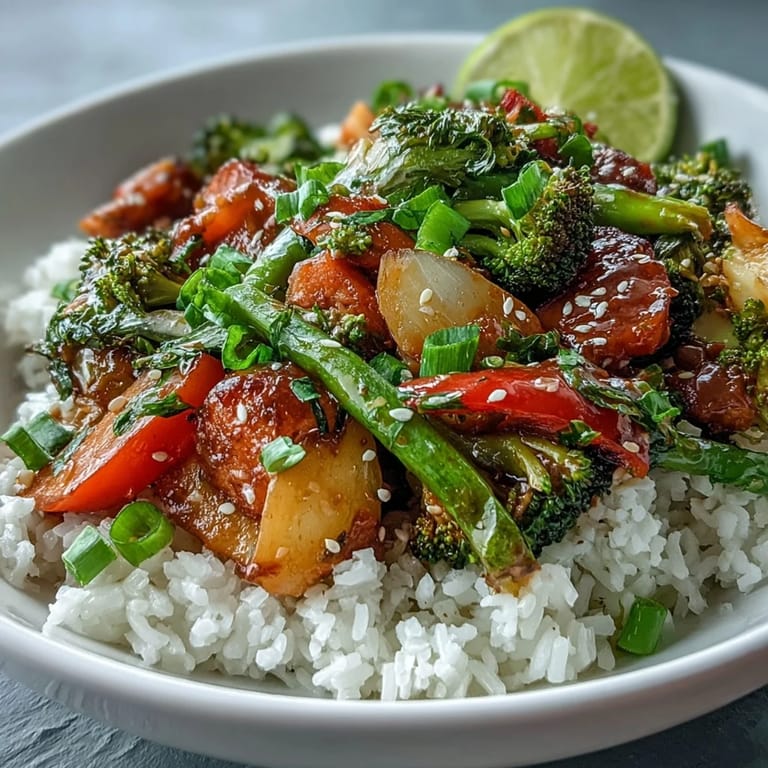
Save There's something almost meditative about the rhythm of stir-frying—the sound of vegetables hitting the hot pan, the way the aroma builds, the visible transformation from raw to vibrant. This dish stopped being just dinner for me the night my neighbor smelled it cooking and asked what I was making, and we ended up sharing a bowl while talking about everything except food.
Why This Works As a Weeknight Meal
The magic of this stir-fry is that it asks nothing of you except presence—no marinating, no resting, no mysterious techniques. Everything happens in the pan in front of you, which means you can troubleshoot as you go and know immediately if something isn't working. The fifteen-minute prep is mostly just chopping, which honestly feels meditative if you're not thinking about it as a chore.
Customizing Your Stir-Fry
The vegetable combination I've given you is more of a suggestion than a rule. I've made this with zucchini when peppers were expensive, mushrooms when I was feeling earthy, and even baby corn when I wanted to channel restaurant vibes at home. The sauce stays the same, so you can honestly use whatever is in your crisper without worrying about balance.
Making It Heartier and More Substantial
If you're looking for extra protein, tofu, tempeh, or edamame are natural friends to this sauce. A handful of cashews added at the end transforms the texture and makes it feel more indulgent without changing anything else. Serve it over rice, quinoa, or even thick noodles if you want something that sticks to your ribs.
- Press tofu between paper towels before adding it to the pan so it actually crisps instead of releasing water everywhere.
- Edamame can go in frozen—they thaw quickly in the hot pan and add a buttery sweetness.
- Torn-up tempeh adds a nutty flavor that plays beautifully with the peanut sauce.
 Save
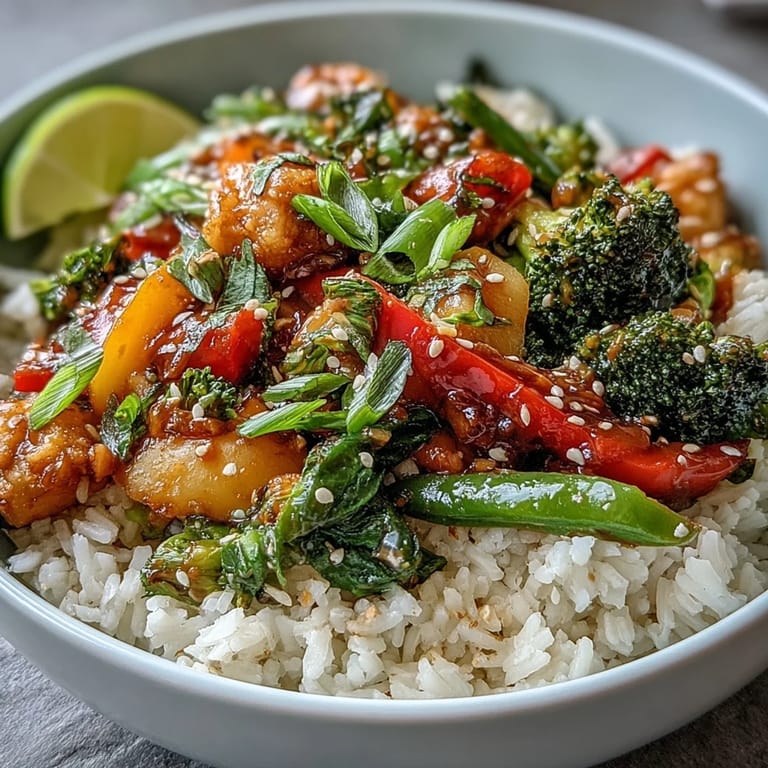
Save This stir-fry has become my shorthand for a good dinner: it's fast enough not to stress about, healthy enough to feel intentional, and genuinely delicious enough that no one notices it's meatless. Make it whenever you need something that doesn't require apologies or explanations.
Recipe FAQs
- → Can I use different vegetables in this stir-fry?
Absolutely! Feel free to swap in zucchini, mushrooms, baby corn, or any fresh veggies you prefer. Adjust cooking times as needed.
- → How do I make the peanut sauce smoother?
Whisk the peanut butter with warm water gradually until you reach your desired consistency. This helps achieve a creamy, smooth sauce.
- → Is this dish suitable for a vegan diet?
Yes, as long as you use maple syrup or a vegan sweetener instead of honey and ensure your peanut butter contains no animal products.
- → What can I serve alongside this stir-fry?
Steamed jasmine or brown rice pairs beautifully, providing a neutral base that complements the rich peanut sauce.
- → How do I add more protein to this meal?
Incorporate tofu, tempeh, or edamame for an extra protein boost without altering the dish’s flavor profile significantly.