 Save
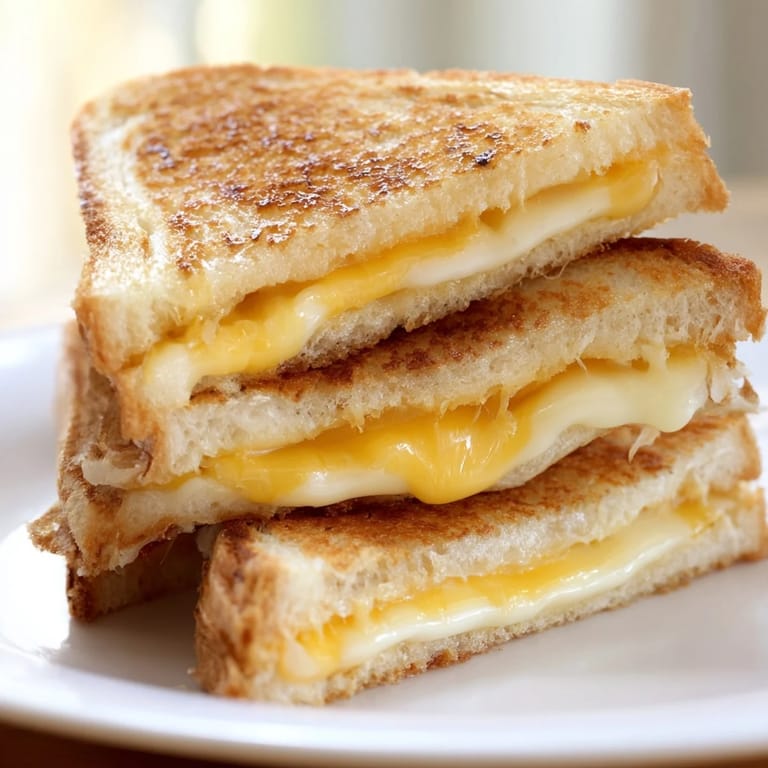
Save There's something about the sizzle of a grilled cheese hitting a hot skillet that makes you feel like you're actually cooking, not just assembling lunch. I discovered the mayo trick by accident one afternoon when I'd run out of butter but had a jar of good mayonnaise in the fridge—turns out it browns faster and creates this impossibly crispy, almost lacy crust while the inside stays creamy and tender. That first sandwich changed how I think about comfort food: sometimes the best discoveries aren't in fancy cookbooks but in the small decisions we make when we're improvising.
I made a batch of these for my daughter one rainy Thursday when she came home from school complaining about a rough day, and she ate two without saying much of anything—just quiet contentment between bites. That's when I realized grilled cheese isn't really about cheese and bread; it's about showing up with something warm and made with care.
Ingredients
- White or sourdough bread (4 slices): Choose bread that's sturdy enough to hold up to the heat without falling apart, yet tender enough to bite through without fighting it.
- Cheddar cheese (4 slices): A sharp cheddar gives more flavor punch, but you can use Monterey Jack or Gruyère if you want something milder or more nutty.
- Mayonnaise (2½ tablespoons): This is the secret player—it browns faster than butter and creates a superior crust that stays crispy even as the inside melts into creamy contentment.
- Dijon mustard (2 teaspoons, optional): A thin layer adds brightness and complexity without overpowering the cheese, especially if your bread is plain white.
Tired of Takeout? 🥡
Get 10 meals you can make faster than delivery arrives. Seriously.
One email. No spam. Unsubscribe anytime.
Instructions
- Prep your canvas:
- Lay out your four bread slices and take a moment to spread a thin, even layer of mayonnaise on one side of each slice—you don't need much, just enough to coat it like you're applying sunscreen.
- Add optional flavor:
- If you're using the mustard, spread a thin line on the opposite sides of two bread slices to give the sandwich a subtle tang that plays well with the richness of melted cheese.
- Build the sandwich:
- Place two cheese slices between two bread pieces with the mayo-coated sides facing out, creating a barrier between the bread and the heat—this is what creates the magic crust.
- Heat your skillet:
- Set your nonstick skillet over medium-low heat and let it warm for about a minute; you want it hot enough to toast but not so hot that the outside burns before the inside melts.
- First side down:
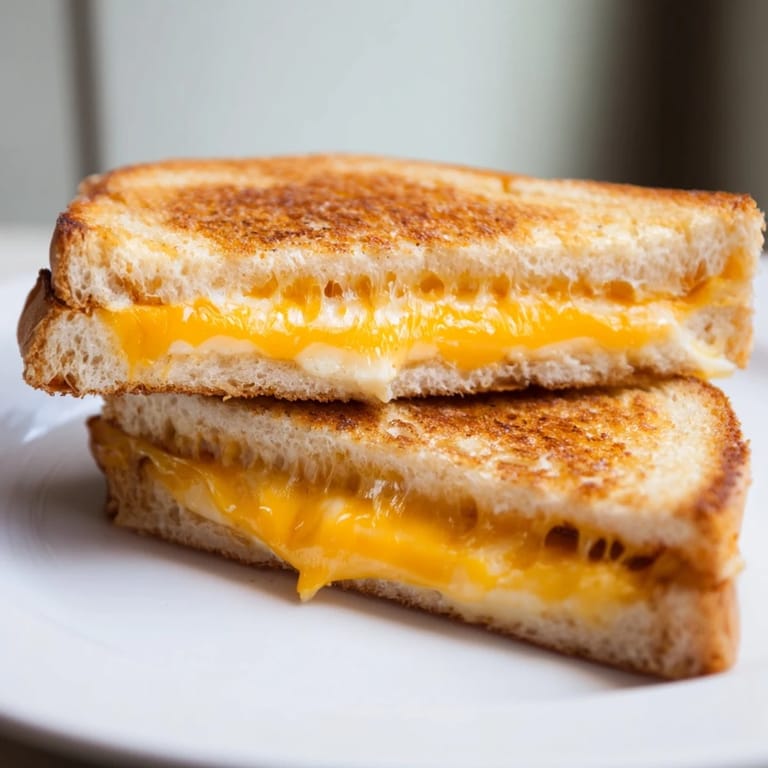
- Carefully place each sandwich into the skillet mayo-side down and cook for 3 to 4 minutes until the bottom is deep golden brown—listen for that gentle sizzle, not an aggressive hiss.
- The flip:
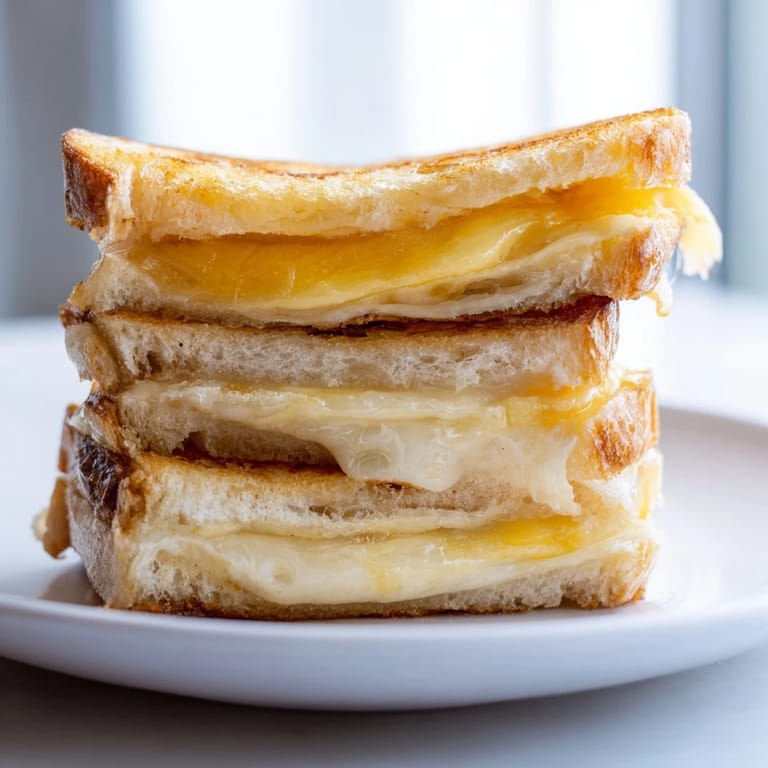
- Turn the sandwiches over and press down gently with your spatula, cooking the second side for another 3 to 4 minutes until both sides are the color of honey and the cheese inside has surrendered to heat and softened into submission.
- Rest and serve:
- Slide them onto a plate and let them sit for one minute—this short rest keeps the cheese from oozing out the moment you cut into it and makes the crust set just right.
 Save
Save My neighbor smelled one cooking through our shared wall and knocked on the door asking what I was making—that's the moment I knew this sandwich had earned its place in my regular rotation. There's something honest about food that makes people curious enough to interrupt their day.
Why Mayo Changes Everything
Mayo has a lower smoke point than butter, which sounds like a problem until you realize it means the bread browns more evenly and develops this subtle, almost nutty flavor that butter can't quite reach. The emulsion in mayo also keeps the bread from drying out even as the outside gets crispy, creating this contradiction that somehow works beautifully—soft inside, snappy outside, golden throughout. Once you've had a mayo grilled cheese, going back to butter feels like settling.
Playing with Variations
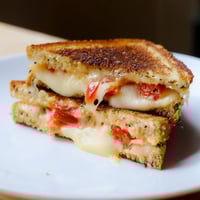
The foundation is so solid that you can build almost anything on top of it without losing what makes this sandwich work. A thin slice of tomato adds juiciness and cuts through the richness; caramelized onions bring sweetness and depth; crispy bacon makes it feel like a meal instead of a snack. I've even tried thinly sliced apple with sharp cheddar on whole grain bread, and it became something entirely unexpected but still fundamentally this sandwich.
Pairings and Serving Suggestions
Tomato soup is the obvious choice and it works because that bright acidity balances the richness, but I've also served this with a simple green salad when I wanted something lighter, or alongside pickle spears for a tangy counterpoint. Some afternoons I'll eat it standing at the counter with just a cup of coffee; other times it becomes part of a whole meal. The magic is that it adapts to whatever moment you need it for.
- Pair with tomato soup for comfort or a salad for balance.
- Keep pickles or pickled vegetables nearby for brightness.
- A cold glass of lemonade somehow tastes better when grilled cheese is involved.
 Save
Save This sandwich proves that the best meals don't need to be complicated—sometimes they just need to be made with a little thought and the right ingredient in the right place. Go make one right now.
Recipe FAQs
- → Why use mayonnaise instead of butter for grilling?
Mayonnaise contains oil and egg, which helps achieve a golden, crispy crust while adding a subtle tang and extra creaminess.
- → Can I use other types of cheese?
Yes, cheeses like Monterey Jack, Gruyère, or mozzarella work well for melting and flavor variation.
- → How do I prevent the sandwich from burning?
Cook over medium-low heat to allow the cheese to melt fully while the bread browns evenly without burning.
- → Is Dijon mustard necessary?
Dijon mustard is optional but adds a nice sharpness that complements the creamy cheese and mayo flavors.
- → What bread types work best?
White or sourdough bread hold up well and create a crisp yet tender base for the sandwich.