 Save
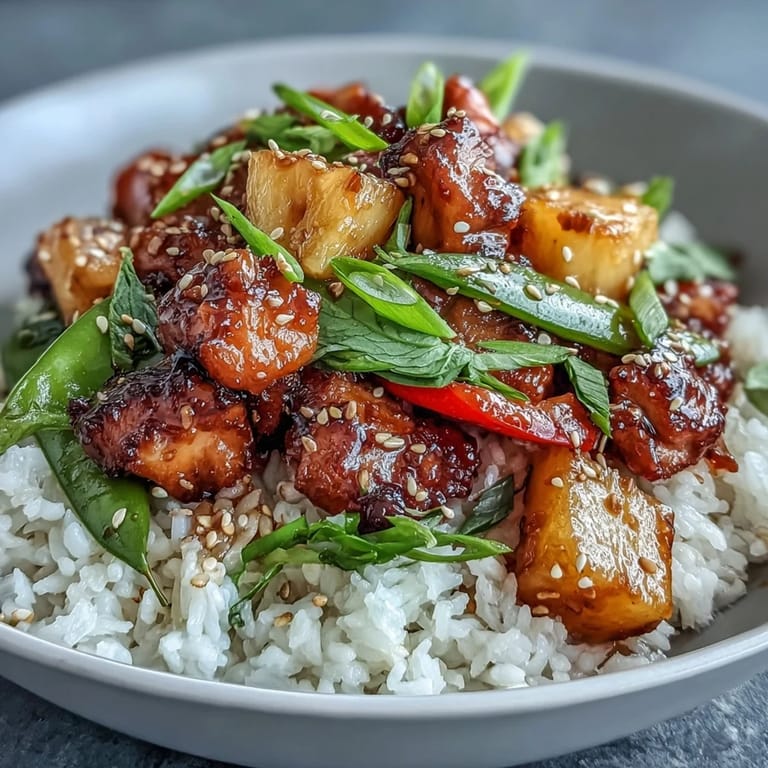
Save I discovered this bowl on a lazy Sunday afternoon while scrolling through photos of a friend's Hawaiian vacation. Something about the way the golden teriyaki glaze caught the light made me desperate to recreate that tropical feeling in my own kitchen, even though I was miles from any beach. That first attempt, I burned the garlic in the sauce and nearly gave up, but something told me to start over with patience instead of speed. Now this dish reminds me that sometimes our best meals come from moments when we decide to try again.
I made this for my sister during her first week back from a stressful job, and watching her close her eyes after that first bite felt like the best compliment I could get. She asked for the recipe that same evening, and now it's become our thing whenever we need comfort that tastes like a vacation.
Ingredients
- Boneless, skinless chicken thighs or breasts (500 g): Thighs stay juicier and more forgiving than breasts, but use whichever you prefer; just don't skip cutting them into bite-sized pieces so they cook evenly and soak up that glaze.
- Vegetable oil (1 tbsp): High heat oil like canola or grapeseed works best here to prevent sticking and get that golden-brown crust on the chicken.
- Salt and pepper, to taste: Season generously before cooking; this is where flavor begins, not an afterthought.
- Soy sauce (80 ml): Use a good quality soy sauce or tamari if you need gluten-free; the sauce depends on this for its savory backbone.
- Pineapple juice (80 ml): Fresh is ideal, but bottled works perfectly when fresh isn't available; avoid the stuff with added sugars.
- Brown sugar (2 tbsp): Adds a subtle molasses depth that white sugar can't match in this particular sauce.
- Honey (1 tbsp): Rounds out the sweetness and helps create that glossy, restaurant-quality shine on the finished dish.
- Rice vinegar (1 tbsp): This acidity balances the sweetness brilliantly; don't substitute with regular vinegar as it tastes too harsh.
- Garlic cloves, minced (2): Mince finely and watch carefully when cooking so it perfumes the sauce without burning into bitterness.
- Fresh ginger, grated (1 tsp): Freshly grated ginger has a brightness that ground ginger can't deliver; it's worth the extra minute.
- Cornstarch (1 tbsp): This is your secret to that silky, glossy sauce that clings to every piece of chicken and vegetable.
- Cold water (2 tbsp): Always whisk cornstarch with cold water first or it will clump and ruin your sauce.
- Jasmine or short-grain white rice (240 g): Jasmine rice absorbs the sauce beautifully and stays fluffy; long-grain rice tends to get mushy by comparison.
- Water for rice (480 ml): The standard two-to-one ratio ensures perfectly cooked rice every single time.
- Red bell pepper, thinly sliced (1 medium): Red peppers are sweeter than green and their color makes the bowl visually stunning.
- Fresh pineapple, diced (150 g): Fresh fruit adds juicy bursts of flavor that frozen or canned can't match, though either works in a pinch.
- Snap peas or snow peas, trimmed (100 g): These stay crisp even when cooked quickly, adding textural contrast to the tender chicken.
- Spring onions, thinly sliced (2): Save most of these for garnish so their bright, oniony flavor comes through after everything else is cooked.
- Sesame seeds (1 tbsp): Toast them lightly in a dry pan first if you have time; it intensifies their nutty flavor dramatically.
- Fresh cilantro leaves, optional: Cilantro is optional, but it adds a fresh, herbaceous note that ties the tropical theme together.
Tired of Takeout? 🥡
Get 10 meals you can make faster than delivery arrives. Seriously.
One email. No spam. Unsubscribe anytime.
Instructions
- Prepare your rice foundation:
- Rinse the rice under cold running water until the water runs clear, which removes excess starch and prevents gumminess. Combine rinsed rice and water in a saucepan, bring to a boil, then reduce heat to low, cover, and simmer for 15 minutes before letting it rest covered for 5 minutes.
- Sear the chicken until golden:
- Heat vegetable oil in a large skillet over medium-high heat until it shimmers, then season your chicken pieces generously with salt and pepper and cook without moving them around for the first minute so they develop that beautiful golden crust. Continue cooking and stirring for 6 to 8 minutes total until cooked through, then transfer to a clean plate.
- Quick-cook the vegetables:
- In the same skillet, add the sliced bell pepper and trimmed snap peas, stirring constantly for just 2 to 3 minutes until they're tender-crisp and still have some brightness to them. Don't overcook them here because they'll continue to soften slightly in the final step.
- Build your glossy sauce:
- Combine soy sauce, pineapple juice, brown sugar, honey, rice vinegar, minced garlic, and grated ginger in a small saucepan and bring to a gentle simmer over medium heat, stirring occasionally until the sugar dissolves. Then mix cornstarch with cold water separately to create a smooth slurry, stir it into the simmering sauce, and cook for about 1 minute until the sauce thickens and becomes glossy and transparent.
- Bring everything together:
- Return the cooked chicken and vegetables to your skillet, pour the teriyaki sauce over everything, and toss gently to coat evenly. Stir in the fresh diced pineapple and heat through for 2 minutes so the flavors meld.
- Assemble and serve:
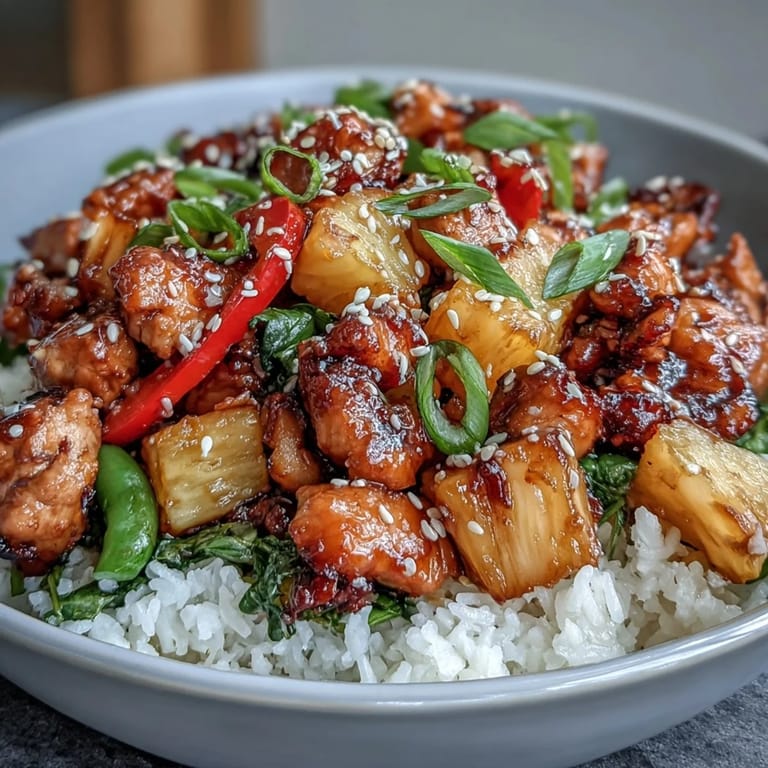
- Divide the fluffy rice among four bowls, then top each with the teriyaki chicken and vegetable mixture, allowing some of that precious sauce to drip onto the rice. Garnish generously with sliced spring onions, sesame seeds, and cilantro if using, then serve immediately while everything is still warm.
 Save
Save My mom tried this last month and told me it was the first time she'd had a restaurant-quality meal at home in years, and that comment stuck with me because it reminded me why I love cooking for people I care about. It's not about the ingredients or technique; it's about creating a moment where someone feels like they're being taken care of.
Why This Balance of Sweet and Savory Works
The magic in this dish lives in the tension between the salty soy sauce and the sweet pineapple juice, with rice vinegar and ginger playing the role of mediators that keep everything from becoming one-dimensional. Most homemade teriyaki sauces tip too far into sweetness because people eyeball the brown sugar, but measuring everything and letting the flavors balance naturally creates something that tastes mature and sophisticated. I learned this the hard way by adding extra honey thinking more sweetness meant more delicious, then having to start the sauce over because it tasted like dessert.
Timing and Temperature Matter More Than Technique
The reason restaurants get such perfect results with stir-fries and glazed dishes is partly because their pans and burners are extremely hot, which means vegetables stay crisp and chicken gets a beautiful sear instead of steaming in its own moisture. Your home stove probably won't match that intensity, so don't stress; instead, focus on not crowding the skillet and letting everything have a moment to develop color before you start stirring. Medium-high heat and patience will get you 95 percent of the way there, and that last 5 percent is honestly just accepting that homemade tastes different from restaurant food, and different doesn't mean worse.
Ways to Customize This Bowl
This recipe is genuinely flexible without losing its identity, and that's why it works so well for feeding people with different preferences or dietary restrictions. You could swap the chicken for tofu if you're vegetarian, add shredded carrots or edamame for more crunch and color, or even throw in cashews or almonds for richness if you want something heartier. The sauce ties everything together so well that you can swap vegetables almost endlessly without needing to adjust anything else.
- Tofu lovers should press their tofu well and cube it instead of cutting it into thin slices, then cook it longer in the pan to develop a golden exterior before moving to the vegetables.
- Make extra sauce if you're doubling the recipe because the rice seems to drink it up faster than you'd expect.
- Leftovers stay delicious in the refrigerator for three days, though the vegetables soften slightly, so you might add fresh peas or cucumber on top when reheating.
 Save
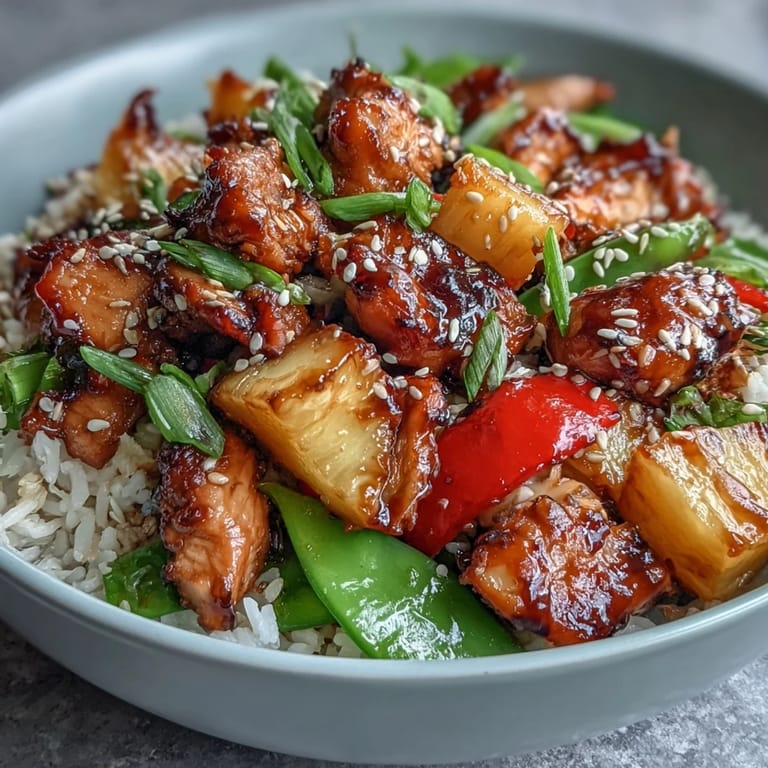
Save This bowl has become my go-to when I want to feel like I'm taking care of myself through food, and it somehow makes a regular Tuesday night feel a little bit special. That's the whole point, really, and everything else is just technique.
Recipe FAQs
- → What type of chicken works best for this dish?
Boneless, skinless chicken thighs or breasts cut into bite-sized pieces work well, with thighs offering more tenderness.
- → How do I make the teriyaki sauce thicker?
Mix cornstarch with cold water to create a slurry, then stir it into the simmering sauce to thicken it in about a minute.
- → Can I substitute jasmine rice with another type?
Yes, short-grain white rice or other fluffy rice varieties are good alternatives that complement the flavors.
- → What vegetables add crunch to this bowl?
Sliced red bell pepper and snap peas or snow peas provide a crisp texture and fresh flavor contrast.
- → Is there a vegetarian option for this meal?
Tofu can replace chicken for a plant-based version, absorbing the teriyaki glaze nicely.