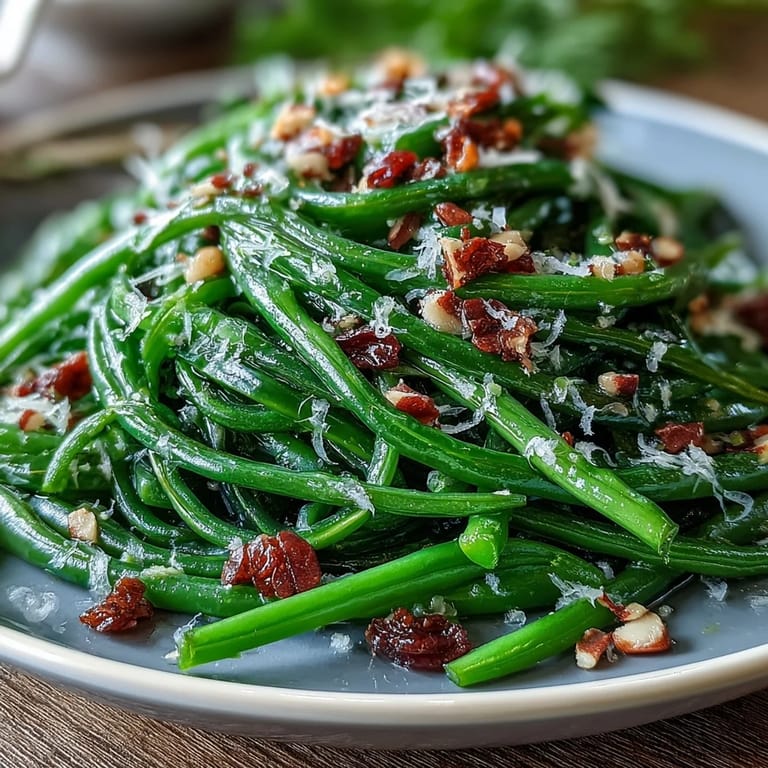
 Save
Save Last spring, I was hunting through the farmers market when a vendor handed me a bunch of pencil-thin asparagus still damp from the morning mist. She mentioned casually that you could shave it raw, and something about that idea—crisp ribbons instead of the cooked spears I'd always known—stuck with me. That afternoon, standing at my kitchen counter with a vegetable peeler in hand, I discovered how transforming a single ingredient could completely reframe a salad. It felt like learning a secret that had been hiding in plain sight.
I made this for a potluck once where everyone brought heavy casseroles, and watching people's faces light up when they tasted something this clean and green felt like a small victory. One guest asked for the recipe between bites, her fork already reaching for seconds. That's when I knew this salad had earned its place in regular rotation, not just for fancy occasions but for any moment when you want something that tastes like the season itself.
Ingredients
- Fresh asparagus (about 1 bunch, 300 g): Look for stalks that are uniformly thin and bright green—thinner ones shave more delicately and have less of that fibrous texture, so trim the woody ends by bending until they snap naturally.
- Green peas (1 cup, fresh or frozen): Fresh peas in season are revelatory, but thawed frozen ones work beautifully and skip the shelling step entirely.
- Baby arugula or spring greens (2 cups, 50 g): These mild, peppery leaves form the salad's backbone and catch the dressing like tiny cups of flavor.
- Radishes (2, thinly sliced): They add a peppery crunch and color contrast that makes the whole bowl feel more alive.
- Shaved Parmesan or pecorino (1/4 cup, 30 g): Use a vegetable peeler to create thin curls that melt slightly on your warm greens rather than thick shreds that sit on top.
- Toasted pine nuts or slivered almonds (1/4 cup, 30 g): Toasting them yourself brings out a nutty richness you can't replicate—toast them in a dry pan for about 3 minutes until fragrant.
- Extra-virgin olive oil (3 tbsp): This is where quality matters; a fruity, peppery oil becomes part of the salad's character, not just a delivery system.
- Fresh lemon juice (2 tbsp): Always use freshly squeezed—bottled juice tastes tinny and flattens the bright spring feeling you're building.
- Lemon zest (1 tsp): Those tiny bright specks of oils add complexity and visual interest to every bite.
- Honey or maple syrup (1 tsp): Just enough sweetness to balance the acid and make the dressing feel round and complete.
- Dijon mustard (1 tsp): It acts as an emulsifier and adds a subtle tangy depth that keeps the dressing from tasting one-note.
- Sea salt and black pepper (1/2 tsp salt, 1/4 tsp pepper): Taste as you go—some lettuces and peas carry their own salinity, so you might need less than expected.
Tired of Takeout? 🥡
Get 10 meals you can make faster than delivery arrives. Seriously.
One email. No spam. Unsubscribe anytime.
Instructions
- Shave the asparagus into ribbons:
- Hold each stalk at a slight angle and draw your vegetable peeler along the length, listening for that gentle scraping sound that means you're doing it right. You'll create delicate, almost translucent ribbons that feel completely different from roasted asparagus.
- Build your salad base:
- Pile those shaved ribbons into a large bowl, then scatter the peas, greens, and radishes around them—this staging keeps everything separate until the dressing brings it all together.
- Emulsify the dressing:
- Whisk the oil, lemon juice, zest, honey, mustard, salt, and pepper in a small jar or bowl until it looks slightly creamy and the oil doesn't separate immediately. This is where patience pays off; a proper emulsion coats each leaf instead of pooling at the bottom.
- Dress and toss gently:
- Drizzle the dressing over the salad and toss with your hands or two forks—this gentleness keeps the delicate asparagus ribbons from breaking down or bruising. The greens should glisten but not swim in dressing.
- Finish with cheese and nuts:
- Scatter the Parmesan curls and toasted nuts over the top, tossing lightly once more if you like everything mixed throughout, or leaving them as a garnish if you prefer visual drama. Serve immediately so the asparagus stays crisp and the salad hasn't had time to weep.
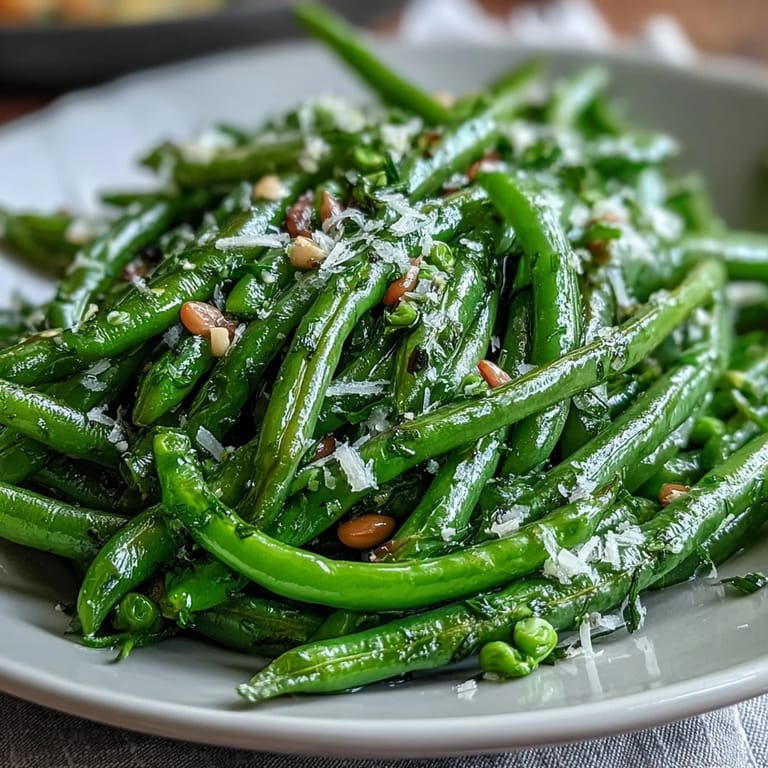 Save
Save There was a quiet Wednesday evening when I made this salad simply because I had asparagus and lemon on hand, nothing planned, just cooking for myself. But sitting at my kitchen table, twirling those tender ribbons on my fork and tasting that perfect balance of green and bright acid, I realized this wasn't just lunch—it was a moment where simplicity felt like abundance. Sometimes the best meals are the ones you stumble into.
The Art of Shaving Vegetables
Once you discover that a vegetable peeler can do more than peel, it becomes your secret weapon for creating texture and interest without any cooking. Shaving keeps delicate vegetables like asparagus, zucchini, and even carrots raw and crisp, turning what could feel heavy into something that tastes like spring. The key is a sharp peeler and patience—rushing creates jagged strips instead of silky ribbons that catch light and dressing alike.
Building a Balanced Dressing
A good dressing isn't about following ratios blindly; it's about understanding how the elements work together. Your oil carries flavor and richness, the lemon juice and zest bring brightness and personality, the mustard and sweetener create balance and texture, and salt amplifies everything. When you whisk them together and watch the mixture transform into something creamy and cohesive, you're witnessing emulsification—a small kitchen miracle that happens every time you pay attention.
Seasonal Variations and Swaps
This salad is a canvas that changes with the market and your mood, so don't feel locked into the exact recipe. Try sugar snap peas in early spring when they're still tender and sweet, or blanched fava beans for earthiness and a pop of bright color. Mint whispers in beautifully if you have it fresh, and a handful of grilled spring onions transforms the whole thing into something more substantial. Consider these additions your own discoveries, not departures from the original—cooking is about making a recipe your own.
- Swap almonds or walnuts for the pine nuts if you want something more budget-friendly or have different tastes.
- Use whatever greens you have on hand; tender spinach, watercress, or even tender kale works if you massage it gently with a pinch of salt first.
- A small pinch of crushed red pepper flakes adds a whisper of heat that makes the lemon shine even brighter.
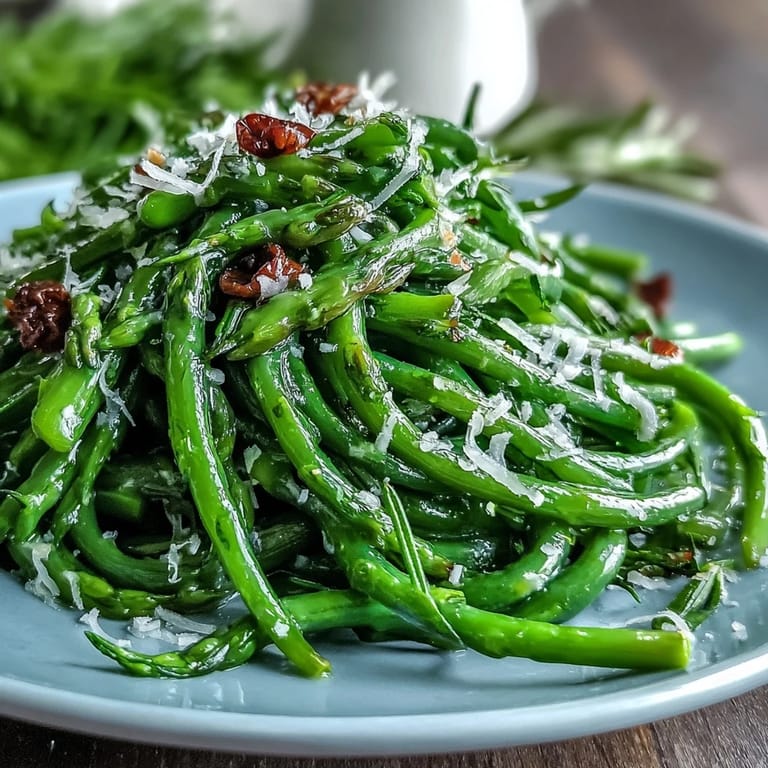 Save
Save This salad has become my go-to when I want to feel like I'm cooking with intention but also moving through the kitchen with ease. It's the kind of dish that reminds you why fresh food tastes like celebration.
Recipe FAQs
- → How do you prepare the asparagus for this salad?
Use a vegetable peeler to shave asparagus stalks into thin ribbons for a delicate texture.
- → Can I substitute any ingredients to make this salad vegan?
Yes, omit the shaved Parmesan or replace it with a plant-based cheese alternative.
- → What nuts work best for adding crunch to this salad?
Toasted pine nuts or slivered almonds both provide a pleasant crunch and complement the flavors.
- → Is it better to use fresh or frozen peas in the salad?
Fresh peas are ideal for sweetness and texture, but thawed frozen peas work well as a convenient substitute.
- → How should the lemon dressing be mixed for optimal flavor?
Whisk olive oil, lemon juice, zest, honey, mustard, salt, and pepper until emulsified for a bright, balanced dressing.
- → What variations can enhance the salad’s flavor?
Adding fresh herbs like mint or basil and substituting sugar snap peas or fava beans provide tasty variations.